
Quick Answer
The best dab rig is one that matches your concentrate type, preferred temperature range, and experience level — typically a borosilicate glass rig between 6–10 inches tall with a quartz banger nail. For most consumers, a mid-size recycler or straight-tube rig offers the ideal balance of flavor preservation, smooth hits, and ease of use.
Key Takeaways
- Quartz bangers retain heat more evenly than ceramic or titanium, making them the preferred choice for flavor-conscious dabbers
- Smaller rigs (under 8 inches) deliver more concentrated, terpene-rich vapor compared to larger water pipes
- Electronic dab rigs (e-rigs) offer precise temperature control, which is critical for preserving volatile terpenes like myrcene and limonene
- Borosilicate glass is the gold standard material for dab rigs due to its thermal resistance and chemical neutrality
- Low-temperature dabbing (around 450–550°F) is widely preferred for preserving the full terpene and cannabinoid profile of concentrates
Introduction
As cannabis concentrates continue to surge in popularity — with extracts like live resin, rosin, and THCA diamonds becoming mainstream dispensary staples — knowing how to enjoy them properly matters more than ever[1]. The right dab rig doesn't just deliver a stronger experience; it shapes the flavor, smoothness, and overall quality of every session. Whether you're exploring concentrates for the first time or upgrading from a basic setup, this guide breaks down exactly what to look for.
What Makes a Dab Rig Different From a Regular Bong?
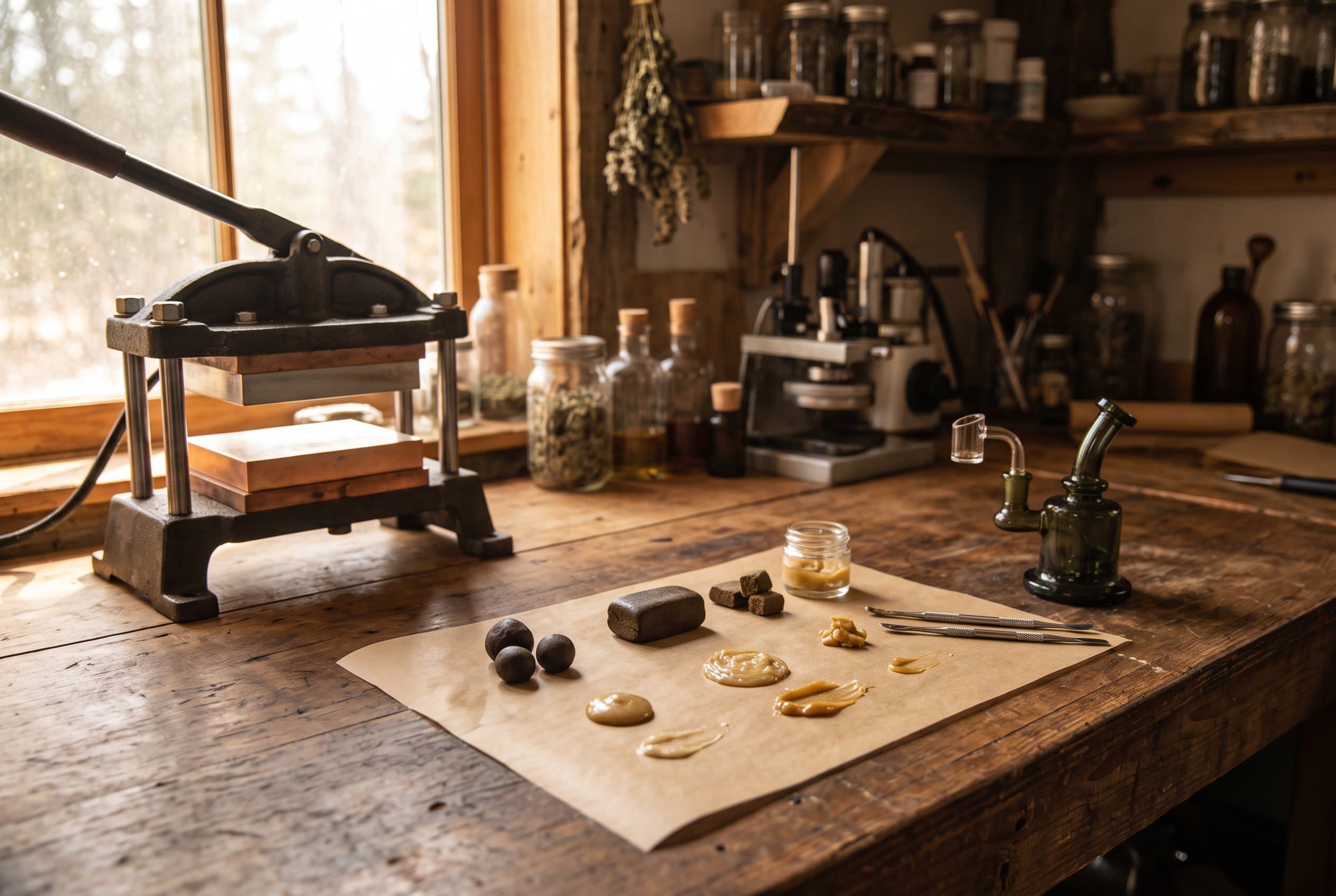
A dab rig is specifically engineered to vaporize cannabis concentrates — waxes, shatters, live resins, and oils — rather than combust dry flower[2]. The key differences come down to size, airflow, and the type of nail or banger used.
Regular bongs are built for volume and filtration, often featuring large water chambers and long draw paths. Dab rigs, by contrast, are intentionally compact. A shorter path from the nail to your lungs means less vapor condensation and more of those delicate terpenes — compounds like linalool, terpinolene, and beta-caryophyllene — actually reaching your palate[3].
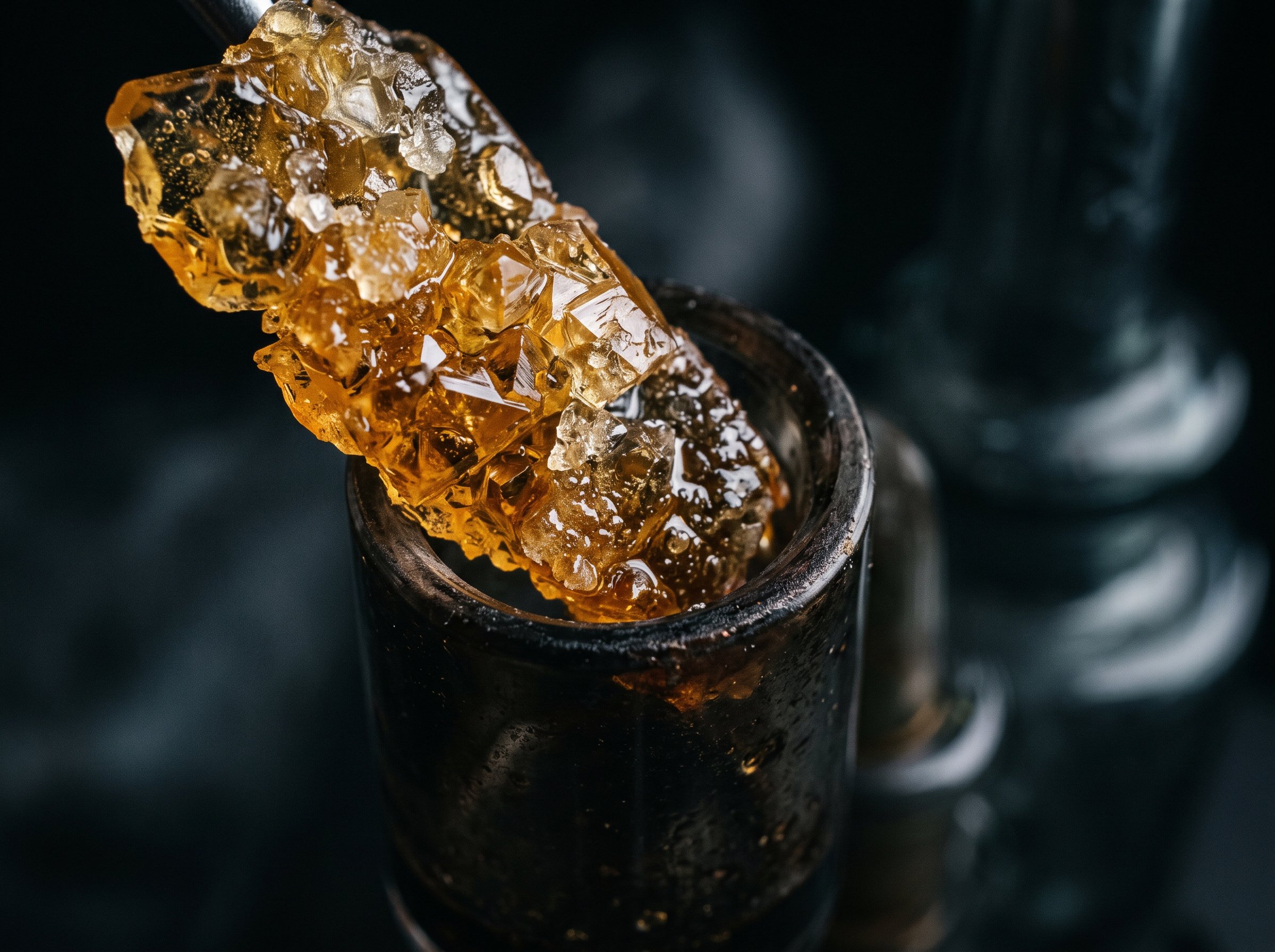
The nail (also called a banger) replaces the traditional bowl. When heated with a torch or electronically, it vaporizes concentrate on contact rather than burning plant material. This distinction is fundamental: dabbing is vaporization, not combustion, which is part of why many concentrate consumers report a cleaner flavor profile compared to smoking flower[4].
What Should You Look for in the Best Dab Rig?
Material: Glass vs. Silicone vs. Electronic
Borosilicate glass remains the top choice among experienced dabbers. It's thermally stable, doesn't leach chemicals at high temperatures, and allows you to see the vapor path clearly. Look for at least 5mm wall thickness for durability[5].
Silicone rigs are nearly indestructible and budget-friendly, making them a solid travel option — but many users report a slight impact on flavor compared to glass.
E-rigs (electronic rigs) like those from leading brands have grown significantly in market share as concentrate consumers prioritize precision[1]. These devices allow you to set exact temperatures — a crucial advantage when dabbing terpene-forward extracts like live rosin, which can lose its aromatic complexity above 600°F.
Size and Percolation
For concentrates, smaller is generally better. A rig in the 6–10 inch range minimizes vapor travel distance and reduces the chance of terpene degradation before inhalation. Rigs with minimal percolation (one perc, or none) are preferred by flavor-focused users, while those wanting smoother, cooler hits may opt for a recycler design that continuously cycles water.
Nail Type: Quartz, Ceramic, or Titanium
- Quartz bangers heat quickly, cool predictably, and are flavor-neutral — the most popular option by a wide margin
- Ceramic nails heat slowly but retain heat well and are similarly flavor-neutral
- Titanium nails are virtually indestructible but can impart a slight metallic taste at high temperatures
For preserving the terpene integrity of high-quality concentrates — especially full-spectrum extracts rich in myrcene or ocimene — quartz is the clear frontrunner[3].
What Temperature Should You Dab At?
Temperature is arguably the single most important variable in the dabbing experience. Most terpenes begin to degrade or combust above 600°F, which is why low-temp dabbing in the 450–550°F range has become the standard for flavor-conscious consumers[4].
At lower temperatures, you preserve the volatile terpene compounds responsible for the unique aroma and nuanced effects of each concentrate. High-temp dabs (above 700°F) produce harsher, more intense hits and are associated with greater degradation of beneficial compounds[6].
E-rigs shine here because they eliminate the guesswork. With a traditional quartz banger and torch, most experienced users apply heat for 20–30 seconds, then allow a 30–45 second cooldown before dabbing — a technique often called the "count and cool" method.
Conclusion
Choosing the best dab rig comes down to matching the tool to your priorities. If flavor and terpene preservation top your list, a compact borosilicate glass rig with a quartz banger and low-temp technique will serve you exceptionally well. If convenience and consistency matter more, an e-rig offers reliable temperature control that takes the guesswork out of every session. Start with a mid-size glass rig and a quality quartz banger — it's the setup most concentrate enthusiasts return to, regardless of how many rigs they eventually own. Once you have your rig dialed in, explore terpene-rich concentrates like live resin or hash rosin to truly experience what precision dabbing can deliver.
Sources
- Leafly - Cannabis concentrate trends, consumer usage data, and extract product guides
2. Weedmaps - Concentrate and dabbing consumer education resources
3. Project CBD - Terpene science, cannabinoid research, and vaporization temperature data
4. National Institutes of Health / NCBI - Research on cannabis vaporization, combustion byproducts, and temperature effects on cannabinoids
5. NORML - Cannabis consumer safety research and harm reduction data
6. Frontiers in Pharmacology - Peer-reviewed research on terpene volatility, degradation temperatures, and cannabis extract composition