
Quick Answer
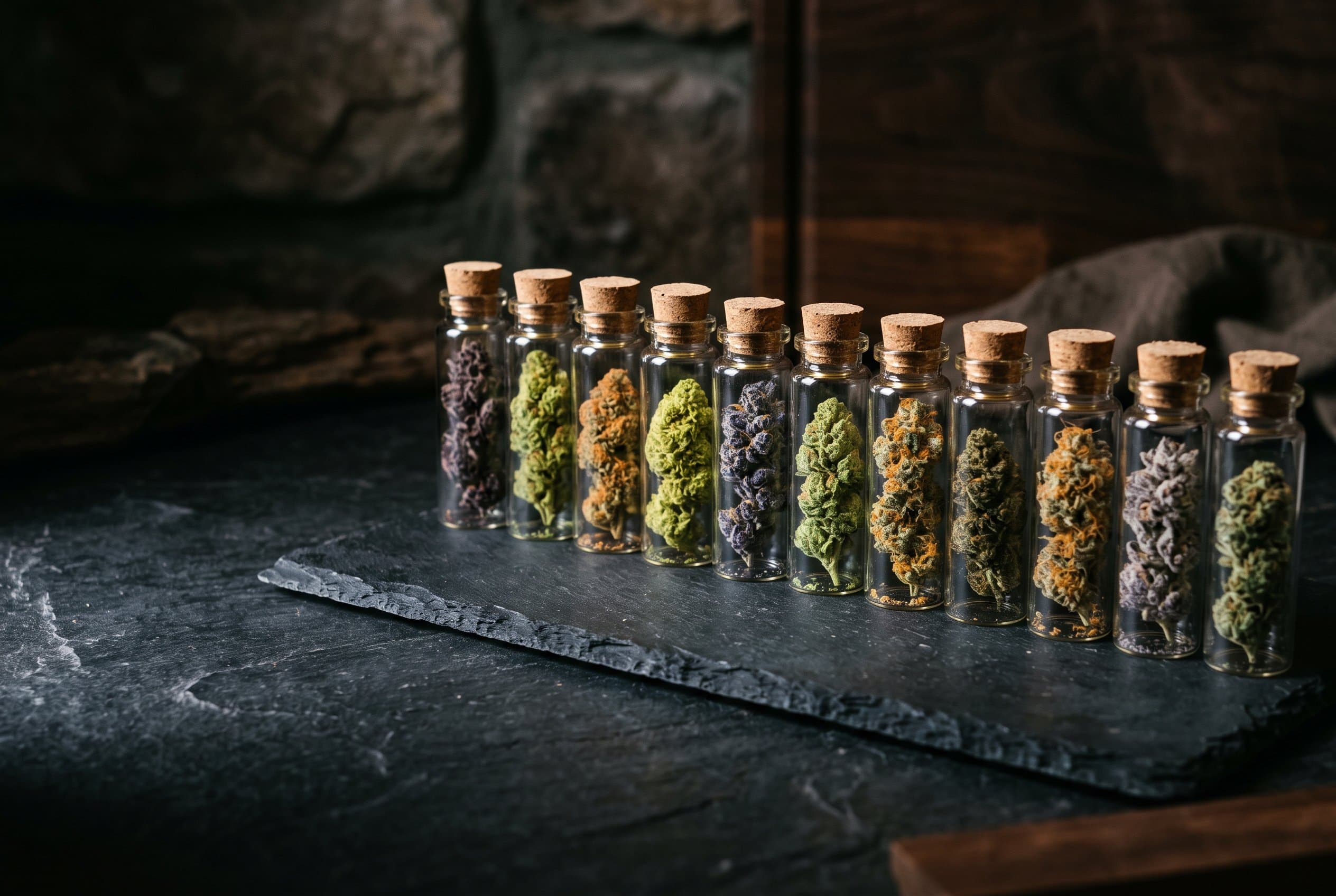
The top cannabis strains of 2026 include a mix of proven classics and rising hybrids, ranging from 15% to 30%+ THC, with options suited for relaxation, focus, creativity, and everything in between. Strains like Blue Dream, Gelato, and Wedding Cake continue to dominate consumer charts, while newer genetics like Runtz and Gary Payton have earned permanent spots on dispensary shelves[1]. Whether you're a first-time consumer or a seasoned enthusiast, this guide breaks down the best strains by effect, terpene profile, and potency.
Key Takeaways
- The most popular strains of 2026 span a wide THC range (15–32%), so potency preference matters when choosing
- Terpenes like myrcene, limonene, and caryophyllene play a significant role in how each strain feels[2]
- Hybrid strains dominate the top 10, offering balanced effects that appeal to the widest range of consumers
- Indica-leaning strains tend to deliver heavier body sensations, while sativa-leaning options skew more cerebral and energizing[3]
- CBD-rich strains and balanced THC:CBD options are gaining ground as consumers seek more nuanced experiences
Cannabis strain culture has never been more sophisticated. With thousands of cultivars available at dispensaries across legal markets, choosing the right strain can feel overwhelming. In 2026, consumer data, terpene science, and real-world reviews have made it easier than ever to narrow down what works[1]. This roundup focuses on the strains earning the highest marks across dispensary sales data, user ratings, and terpene-effect research — giving you a clear, evidence-informed starting point.
What Are the Most Popular Cannabis Strains Right Now?
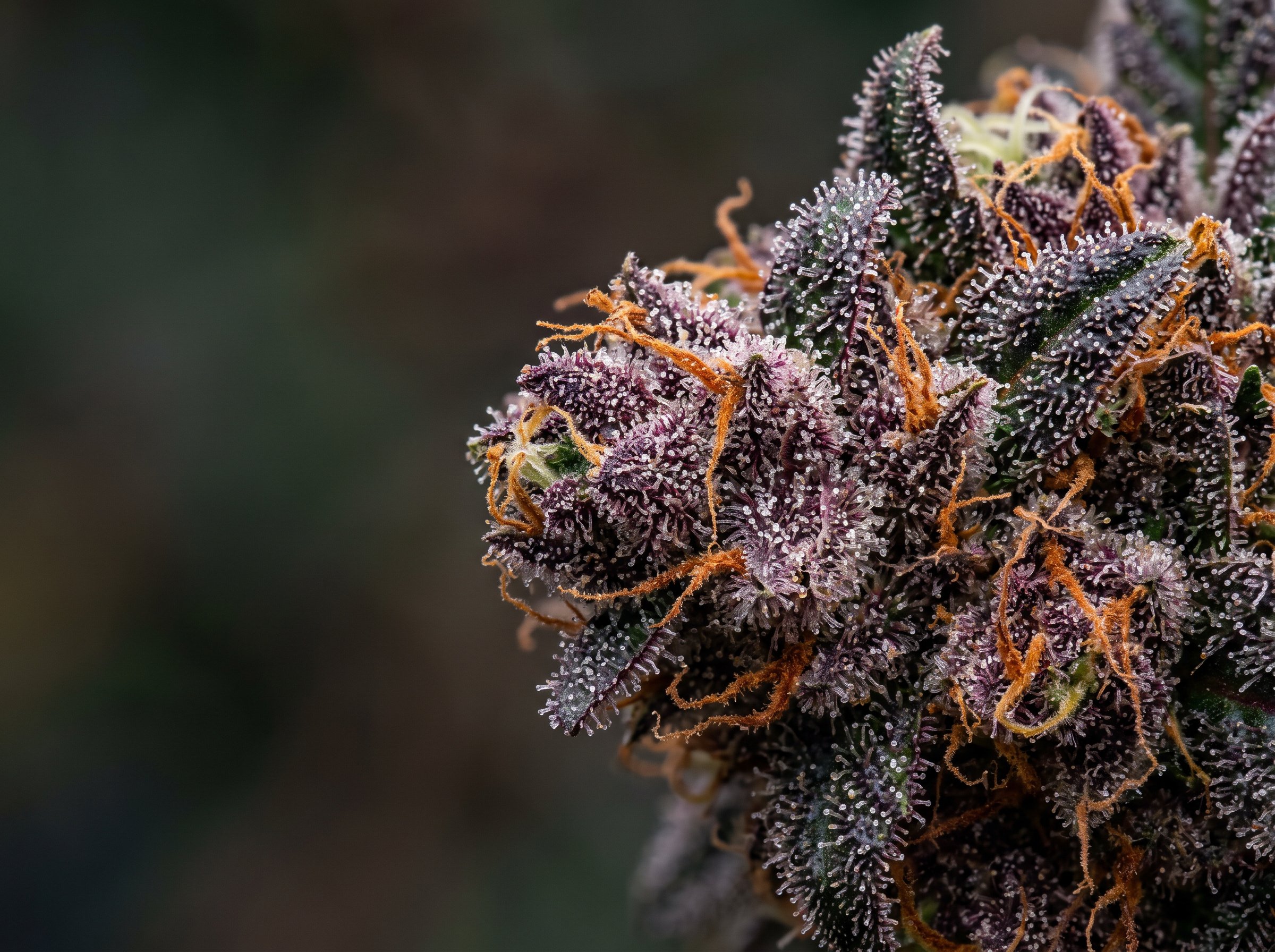
Consumer trends tracked by cannabis retail analytics consistently show hybrid strains leading overall sales, with indica-leaning hybrids performing especially well in evening and weekend purchase windows[1]. The strains below represent a cross-section of what's trending in 2026, anchored in real potency data and terpene profiles.
Top 10 Strains at a Glance
| Strain | Type | THC% | Best For | Key Terpene |
|---|---|---|---|---|
| Blue Dream | Sativa Hybrid | 17–24% | Creativity, daytime focus | Myrcene |
| Gelato #33 | Indica Hybrid | 20–25% | Mood lift, social ease | Caryophyllene |
| Wedding Cake | Indica Hybrid | 22–28% | Deep relaxation, stress relief | Limonene |
| Runtz | Balanced Hybrid | 19–29% | Euphoria, body buzz | Linalool |
| Gary Payton | Sativa Hybrid | 20–30% | Energy, mental clarity | Terpinolene |
| Zkittlez | Indica | 15–23% | Calm, gentle body relaxation | Myrcene |
| Sour Diesel | Sativa | 18–26% | Uplift, creativity | Terpinolene |
| MAC 1 | Balanced Hybrid | 20–23% | Balance, euphoria | Ocimene |
| Ice Cream Cake | Indica | 20–25% | Evening wind-down | Caryophyllene |
| Banana Runtz | Indica Hybrid | 22–29% | Full-body ease, mood | Myrcene |
Which Cannabis Strains Are Best for Relaxation vs. Energy?
One of the most common questions consumers ask is whether a strain will leave them energized or melted into the couch. While the indica/sativa framework is an oversimplification, terpene profiles offer more reliable guidance[2].
For relaxation, strains high in myrcene and caryophyllene tend to produce heavier, more sedating effects. Wedding Cake (THC 22–28%, lineage: Triangle Kush × Animal Mints) leads this category with a dense limonene and caryophyllene profile that delivers a slow-building body effect[4]. Ice Cream Cake (THC 20–25%, lineage: Wedding Cake × Gelato #33) follows closely, with a caryophyllene-dominant profile that many consumers associate with a deeply calm experience.
For energy and focus, terpinolene-dominant strains consistently rank highest. Sour Diesel (THC 18–26%, lineage: Chemdawg 91 × Super Skunk) remains a gold standard for daytime consumers seeking mental clarity without heaviness[1]. Gary Payton (THC 20–30%, lineage: The Y × Snowman) has emerged as a newer powerhouse in this category, with terpinolene and a sharp, gassy aroma profile.
What Do Terpenes Actually Do in Cannabis Strains?
Terpenes are the aromatic compounds in cannabis responsible for each strain's distinct scent — but research suggests they may also shape the overall experience in meaningful ways[2]. The "entourage effect" theory proposes that cannabinoids and terpenes work together synergistically, though peer-reviewed research is still developing on this topic[5].
Here's a quick breakdown of the key terpenes found in the top strains of 2026:
- Myrcene — Earthy, musky; associated with heavier body sensations. Found in Blue Dream, Zkittlez, Banana Runtz
- Caryophyllene — Spicy, peppery; the only terpene known to bind to CB2 receptors directly[5]. Found in Gelato #33, Wedding Cake, Ice Cream Cake
- Limonene — Citrusy; associated with uplifted mood and bright energy. Found in Wedding Cake, Runtz
- Linalool — Floral, lavender-like; often linked to calming qualities. Found in Runtz
- Terpinolene — Fresh, piney, slightly floral; common in sativa-leaning strains. Found in Sour Diesel, Gary Payton
- Ocimene — Sweet, herbal; associated with uplifting, lighter effects. Found in MAC 1
When shopping at a dispensary, checking the terpene panel on a lab-tested product can be just as valuable as looking at THC percentage alone[3].
Which Top Strains Are Best for Cannabis Beginners?
If you're newer to cannabis, high-THC strains like Gary Payton (up to 30%) or Runtz (up to 29%) may be overwhelming. Beginners are generally better served by strains in the 15–20% THC range with balanced terpene profiles[3].
Blue Dream (THC 17–24%, lineage: Blueberry × Haze) is one of the most beginner-friendly strains on this list. Its myrcene-forward profile offers a gradual, manageable onset with a pleasant cerebral lift that doesn't tend to tip into anxiety[1]. Zkittlez (THC 15–23%, lineage: Grape Ape × Grapefruit) is another gentle entry point — indica-dominant with a sweet, fruity aroma and a calming, approachable effect curve.
For consumers seeking minimal psychoactivity, MAC 1 (Miracle Alien Cookies, THC 20–23%) offers a notably balanced experience that many users describe as clear-headed despite its moderate potency[4].
Conclusion: How to Choose Your Strain in 2026
The best cannabis strain in 2026 is the one that fits your goals — not just the one with the highest THC. Start by identifying your desired effect (relaxation, creativity, social energy, or calm), then use terpene profiles as your guide. Ask your dispensary budtender for lab-tested products with visible terpene panels, and start with a lower dose until you understand how a new strain affects you.
Explore individual strain profiles right here on The Strain Report to dig deeper into lineage, flavor notes, and consumer experiences for each strain on this list.
Sources
- Leafly - Cannabis strain database, consumer effects data, and dispensary sales trends
2. Project CBD - Terpene science, cannabinoid research, and entourage effect education
3. NORML - Cannabis consumer research, usage patterns, and potency guidance
4. Weedmaps - Strain profiles, dispensary data, and consumer-reported effects
5. National Institutes of Health (NIH) / NCBI - Peer-reviewed research on cannabinoids, terpenes, and the endocannabinoid system
6. Journal of Cannabis Research - Peer-reviewed studies on cannabis effects, terpene pharmacology, and consumer outcomes