
Quick Answer
Dabbing cannabis concentrates is a method of consuming highly potent cannabis extracts — such as wax, shatter, or live resin — by vaporizing a small amount on a heated surface and inhaling the vapor. This dabbing cannabis concentrates guide covers everything beginners need to know, from product types to temperature control. Concentrates can test anywhere from 60–90% THC, making them significantly more potent than flower[1]. If you're new to dabbing, starting with a low-temperature dab and a rice-grain-sized amount is essential for a manageable experience.
Key Takeaways
- Cannabis concentrates typically contain 60–90% THC, far exceeding the 15–25% found in most flower[1]
- Different concentrate types — shatter, wax, live resin, and rosin — vary in texture, terpene content, and overall experience
- Terpene-rich concentrates like live resin preserve the strain's original flavor and effect profile better than distillates
- Temperature control is critical: low-temp dabs (around 315–450°F) protect terpenes and deliver a smoother experience[2]
- Always start with a rice-grain-sized portion if you're new to concentrates
- Verify any concentrate with a certificate of analysis (COA) from a third-party lab before consuming[3]
Introduction
Dabbing has moved from a niche subculture to one of the most popular ways to consume cannabis. For consumers seeking fast onset, intense effects, or a flavor-forward experience driven by terpenes, concentrates offer something flower simply cannot.
But with so many product types on the market — and potency levels that can catch beginners off guard — understanding what you're consuming is key. This dabbing cannabis concentrates guide breaks down the essentials: what concentrates are, how dabbing works, and how to choose the right product for your needs.
What Exactly Are Cannabis Concentrates?
Cannabis concentrates are products made by extracting cannabinoids and terpenes from the plant, leaving behind a highly potent substance. The extraction method determines the final texture and chemical profile of the product[3].
Here are the most common types you'll find at a dispensary:
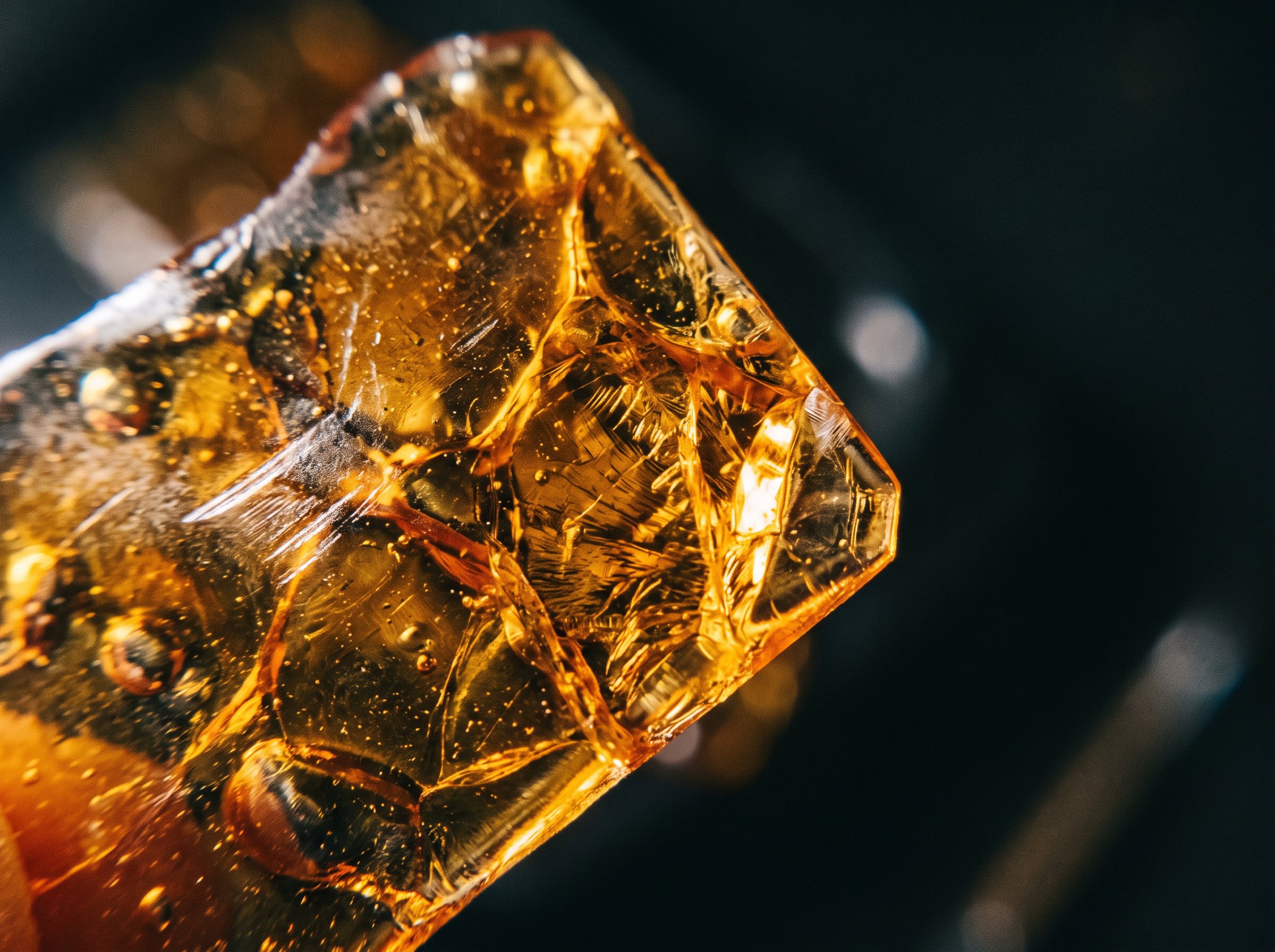
- Shatter — A glass-like, brittle concentrate known for its high THC content and long shelf life
- Wax / Budder — A softer, opaque concentrate that's easy to handle and typically rich in flavor
- Live Resin — Made from fresh-frozen cannabis plants, this concentrate preserves a fuller terpene profile, delivering effects closer to the original strain[4]
- Rosin — A solventless concentrate made using heat and pressure, favored by consumers avoiding chemical extraction methods
- Distillate — Highly purified THC or CBD oil, often used in cartridges; very high potency but low in terpenes unless added back
Because terpenes like myrcene, limonene, and caryophyllene contribute meaningfully to the experience — a concept known as the entourage effect — many experienced consumers seek out full-spectrum or live resin products over isolated distillates[5]. Research continues to examine how these compounds interact with cannabinoids to shape the overall effect profile[6].
How the Dabbing Cannabis Concentrates Process Actually Works
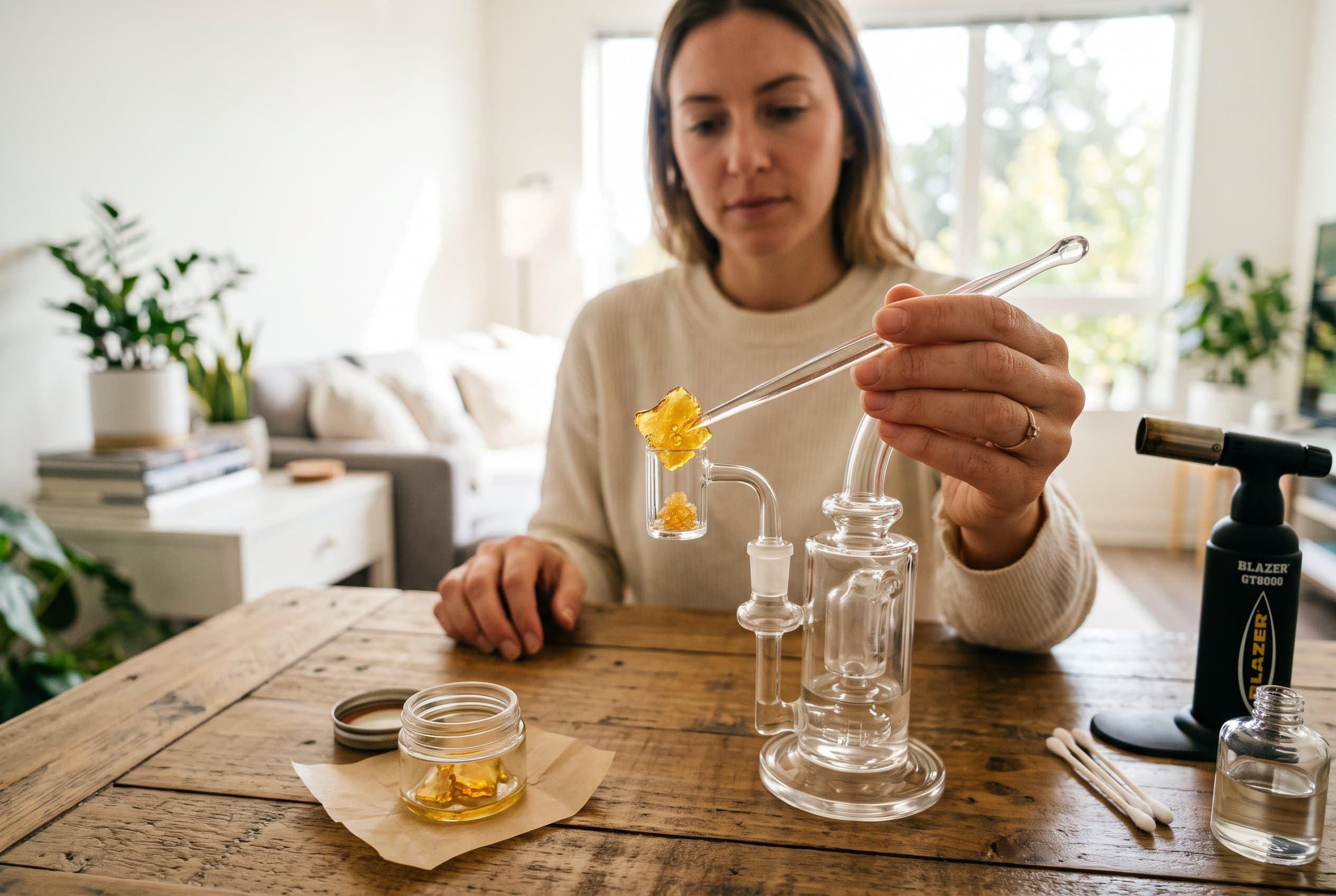
A typical dab setup includes a dab rig (a water pipe designed for concentrates), a nail or banger (usually quartz), a torch or e-nail, a dab tool, and a carb cap.
Here's how the process works:
- Heat the banger with a torch until it's hot, then let it cool to your target temperature
- Place a small amount of concentrate on the heated surface using a dab tool
- Inhale slowly through the rig while covering the banger with a carb cap to trap vapor
- Exhale and wait several minutes before assessing effects — onset is fast but full effects can develop over 5–10 minutes[2]
Electronic nails (e-nails) remove the guesswork by maintaining precise temperatures automatically, making them a popular choice for beginners and experienced consumers alike[2].
Why Temperature Matters So Much
Temperature is arguably the most important variable in dabbing. High-temperature dabs (above 600°F) destroy terpenes, produce harsher vapor, and may degrade cannabinoids[5].
Low-temperature dabs in the 315–450°F range protect delicate terpenes like linalool and terpinolene, producing smoother, more flavorful hits with a more nuanced effect profile. For beginners especially, lower temperatures reduce the risk of an overwhelmingly intense experience.
Choosing the Right Concentrate: A Dabbing Guide for Beginners
If you're new to dabbing cannabis concentrates, the sheer variety of products can feel overwhelming. Here's a practical breakdown by experience level and preference:
- Beginners — Start with wax or budder. These are easy to handle, widely available, and typically well-labeled for potency. Look for products in the 60–70% THC range rather than jumping to 90%+ distillates[1]
- Flavor seekers — Live resin and rosin are excellent choices. Live resin from strains like Gelato or Blue Dream preserves terpene profiles that echo the flower experience with amplified intensity[4]
- CBD-focused consumers — High-CBD live resins and CBD concentrates are available, often derived from strains with naturally elevated CBD levels. These may offer a more balanced cannabinoid ratio for those sensitive to high THC[6]
Always check the certificate of analysis (COA) on any concentrate product. A reputable dispensary will provide third-party lab results confirming cannabinoid percentages and the absence of residual solvents or contaminants[3].
How Do Dabbing Effects Compare to Smoking Flower?
The effects of dabbing come on faster and hit harder than smoking flower. Because concentrates are so potent, even experienced consumers can be surprised by the intensity[1]. Effects typically onset within minutes and can last 1–3 hours depending on the dose, product type, and individual tolerance.
Terpene-rich concentrates like live resin tend to produce more nuanced, strain-specific effects. A live resin made from a myrcene-dominant strain like OG Kush will feel different from one derived from a limonene-heavy strain like Super Lemon Haze — reinforcing how much terpenes shape the overall experience beyond just THC percentage[5].
For consumers who have previously only experienced flower, dabbing represents a meaningful step up in potency. It's best approached with intention: know your product, know your dose, and give yourself time to gauge the effects before consuming more[3].
Conclusion
Dabbing cannabis concentrates offers one of the most potent, flavorful, and fast-acting cannabis experiences available. Whether you're drawn to the strain-specific depth of live resin, the clean potency of rosin, or the accessibility of wax, there's a concentrate product suited to your preferences.
The keys to a good experience are simple: start small, go low temperature, and choose a product with a verified lab report. Explore our strain profiles at The Green Leaf to identify which strain-derived concentrates might align best with the effects and terpene profiles you enjoy most.
Sources
- Colorado State University Extension - Cannabis potency research, concentrate consumer guidance, and THC content education for adult consumers
2. University of California Agriculture and Natural Resources - Cannabis vaporization temperature research and consumption safety guidelines
3. National Institutes of Health / NCBI - Peer-reviewed research on cannabis extraction methods, concentrate safety, and residual solvent testing
4. Cannabis Science and Technology - Industry research on live resin processing, terpene preservation, and concentrate production methods
5. Project CBD - Terpene science, the entourage effect, and cannabinoid interaction research
6. Oregon State University Extension Service - Cannabinoid and terpene profiling, CBD concentrate research, and cannabis product safety education