
Quick Answer
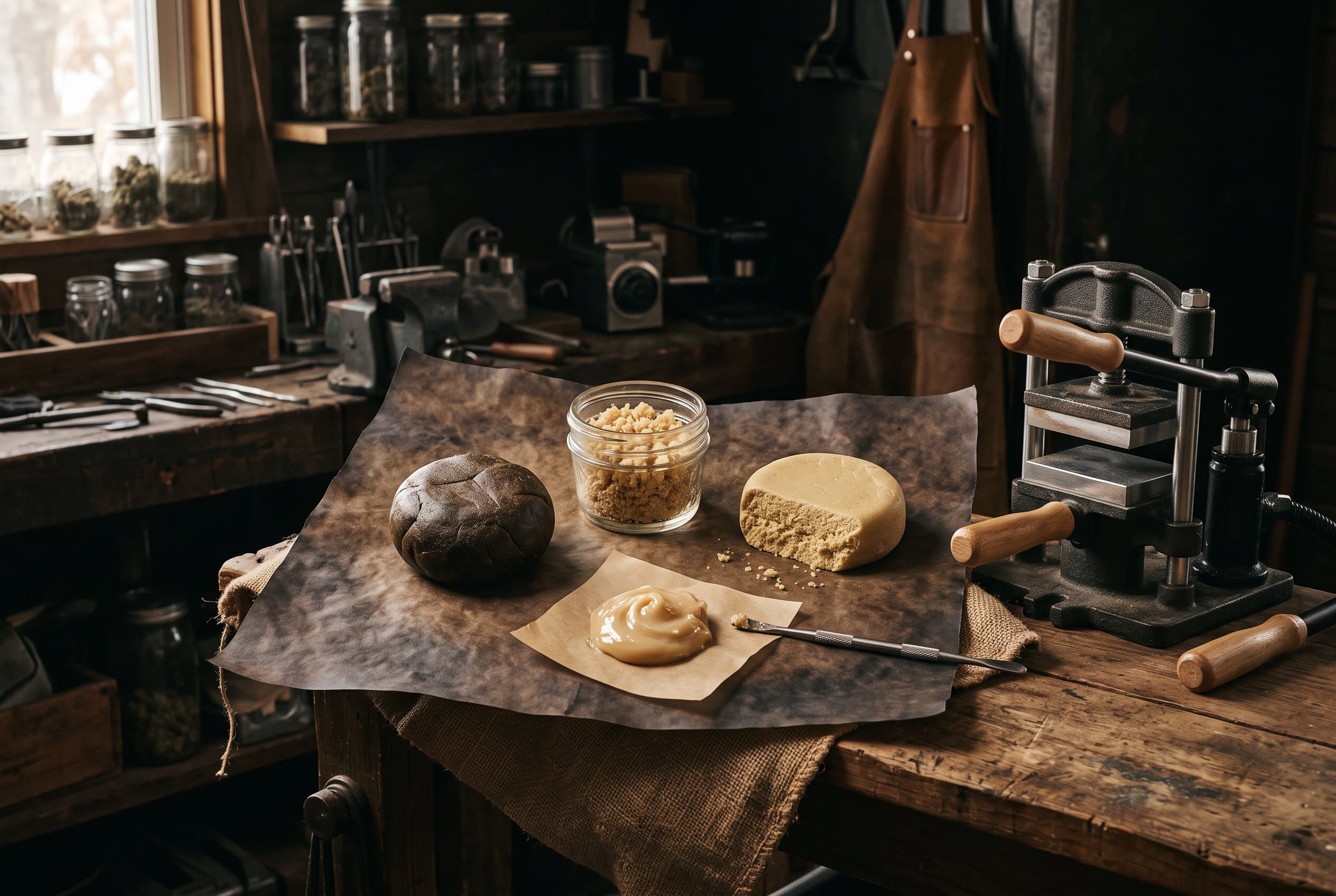
Cannabis hash types explained simply: hash is a concentrated cannabis product made by separating and compressing resin glands (trichomes) from the plant. The main types — traditional pressed hash, dry-sift, bubble hash, and rosin — differ significantly in potency, terpene preservation, and production method. Understanding these differences helps consumers choose the right product for their experience and budget.
Key Takeaways
- Hash is one of the oldest cannabis concentrates in the world, with roots in Central Asia and the Middle East dating back centuries
- Modern cannabis hash types range from 40% THC in traditional pressed varieties to over 70% THC in high-quality bubble hash and solventless rosin
- Terpene preservation varies widely by type — heat-pressed rosin retains far more aromatic compounds than traditionally cured brick hash
- Solventless hash (bubble hash, dry-sift, rosin) is popular among consumers who prefer products made without chemical solvents
- The strain used to make hash directly shapes its effects — a hash made from a myrcene-heavy indica will feel very different from one made from a limonene-forward sativa
Introduction
Hash has been a staple of cannabis culture for thousands of years, but the modern market has transformed it from a simple pressed brick into a nuanced category of concentrates with dramatically different potency levels and experiences. Whether you're browsing a dispensary menu or simply curious about what separates bubble hash from a Moroccan slate, this guide breaks down every major cannabis hash type in plain language — no growing knowledge required.
What Is Hash and How Is It Different From Flower?
When you look closely at cannabis flower, the sticky, crystal-like coating is made up of trichomes — tiny resin glands that contain cannabinoids like THC and CBD, along with terpenes that give each strain its distinct aroma and flavor. Hash is made by collecting those trichomes and pressing or processing them into a concentrated form[1].
Because hash removes plant material and concentrates the active compounds, it is significantly more potent than raw flower. While most cannabis flower tests between 15–30% THC, hash products commonly range from 40–70% THC depending on the method and quality[2]. CBD-dominant hash also exists, often derived from hemp cultivars, and can contain 30–60% CBD with minimal THC.
The key distinction between hash and other modern concentrates (like wax, shatter, or distillate) is that traditional and solventless hash types use no chemical solvents — only water, ice, heat, or mechanical pressure[3].
Cannabis Hash Types Explained: The Main Categories
Traditional Pressed Hash (Brick Hash)
The most historically widespread form, traditional pressed hash is made by hand-rubbing or sieving dried cannabis and then compressing the collected resin into slabs or balls. Varieties like Moroccan, Lebanese, and Afghani hash have been traded globally for centuries[4]. These products typically test at 40–55% THC and carry earthy, spicy terpene profiles dominated by myrcene, caryophyllene, and pinene — shaped by the landrace strains common in those regions.
Dry-Sift Hash (Kief)
Dry-sift hash is made by mechanically sieving dried, cured cannabis over fine mesh screens to collect loose trichome powder called kief. At its most basic, the kief that collects in the bottom of a grinder is a rudimentary form of dry-sift. Higher-quality dry-sift — often called "full-melt" when refined enough — can test at 50–65% THC and retains a robust terpene profile[2]. Because no heat or water is used, terpene-sensitive consumers often appreciate the fresh, strain-accurate flavor.
Bubble Hash (Ice Water Hash)
Bubble hash is produced by agitating cannabis in ice-cold water, causing trichomes to break off and sink. The mixture is then filtered through a series of mesh bags (called bubble bags) in micron sizes ranging from 25–220 microns. The resulting product is graded by quality — with 73–120 micron material generally considered the highest grade[3].
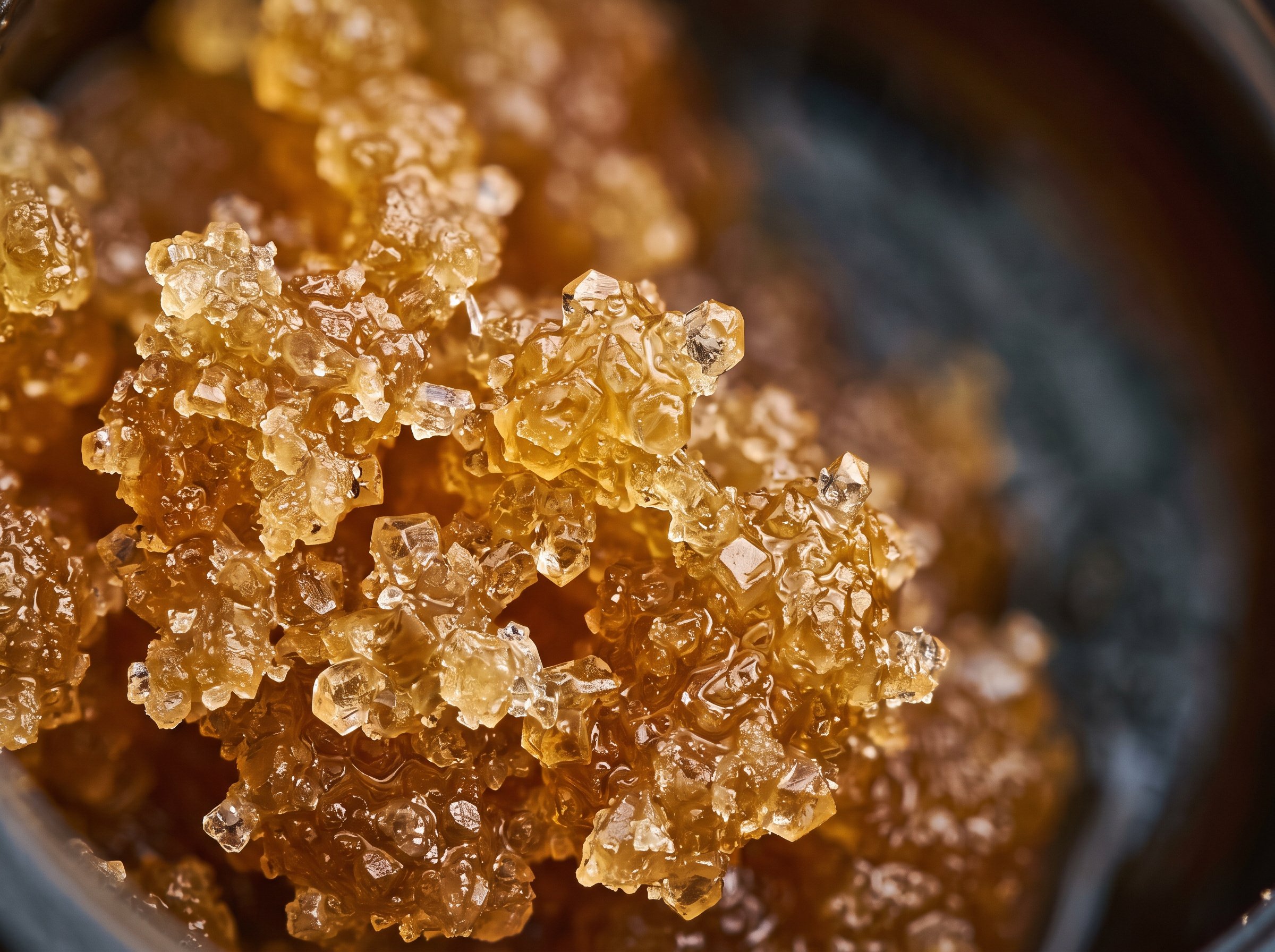
Top-tier bubble hash can reach 60–70% THC while preserving a wide spectrum of terpenes including linalool, terpinolene, and ocimene that might otherwise be lost in other processes[5]. Six-star full-melt bubble hash is considered the gold standard among concentrate enthusiasts.
Hash Rosin
Hash rosin is made by applying heat and pressure to bubble hash using a rosin press, causing the trichomes to release their oils without any solvents. It represents the cleanest and most terpene-rich concentrate available in the solventless category[5]. Hash rosin regularly tests at 65–80% THC and maintains terpene percentages that closely reflect the source strain.
This makes rosin particularly valuable for consumers who care about the entourage effect — the theory that cannabinoids and terpenes work together to shape the overall experience[6]. A rosin pressed from a strain like Gelato (known for caryophyllene and limonene) will carry those same aromas and contribute to its characteristically euphoric, relaxing effect profile.
How Terpenes Affect the Hash Experience
Terpenes are volatile aromatic compounds, and how well they survive the hash-making process has a significant impact on the final experience[6]. This is why two hash products with similar THC percentages can feel completely different.
- Myrcene (earthy, musky) — common in traditional Afghani-derived hash; associated with relaxing, heavy body sensations
- Caryophyllene (spicy, peppery) — survives heat well; present in many modern rosin products
- Limonene (citrus) — more volatile, better preserved in bubble hash and rosin than in traditionally cured brick hash
- Terpinolene (floral, piney) — found in high-grade ice water hash made from strains like Jack Herer or Dutch Treat
Solventless methods like bubble hash and rosin preserve the broadest terpene spectrum, which is why these products are often described as more flavorful and nuanced than older pressed formats[1][5]. Peer-reviewed research supports the idea that terpenes contribute meaningfully to the overall cannabis experience beyond THC alone[6].
Which Cannabis Hash Type Should You Choose?
Your ideal hash type depends on what matters most to you as a consumer:
- Budget-conscious consumers: Dry-sift or traditional pressed hash offers a solid concentrate experience at a lower price point than rosin
- Flavor-first consumers: Bubble hash and hash rosin deliver the fullest terpene experience and the clearest expression of a specific strain
- Potency seekers: Hash rosin and top-grade bubble hash offer the highest THC ceilings in the solventless category
- Beginners: Traditional hash or lower-grade dry-sift provides a gentler introduction to concentrates, with lower potency than live rosin or full-melt
When shopping, look for lab-tested products with clear cannabinoid and terpene panels[3]. A product listing only THC percentage without terpene data is giving you an incomplete picture. Asking your budtender about the source strain and the production method will help you make a more informed decision[4].
Conclusion
Hash is far more than a relic of cannabis history — it's a thriving, diverse category that ranges from earthy pressed bricks with landrace roots to artisan six-star bubble hash pressed into single-origin rosin. The type that's right for you depends on your priorities: potency, flavor, price, or a combination of all three. Start by checking dispensary menus for lab-tested options, ask your budtender about the source strain, and look for terpene data alongside THC percentages to get the most complete picture of what you're choosing[3][6].
Sources
- Leafly - Cannabis strain and concentrate database with consumer effects data, terpene profiles, and dispensary product information
2. Weedmaps - Cannabis product education, concentrate guides, potency data, and dispensary consumer resources
3. SC Labs - Accredited cannabis and hemp testing laboratory providing cannabinoid and terpene analysis data for concentrate products
4. NORML - Cannabis consumer research, historical context, policy information, and plant science education
5. Project CBD - Cannabinoid and terpene science education for consumers, including solventless extraction and concentrate research
6. National Institutes of Health / NCBI - Peer-reviewed research on cannabis terpenes, cannabinoids, and the entourage effect hypothesis