
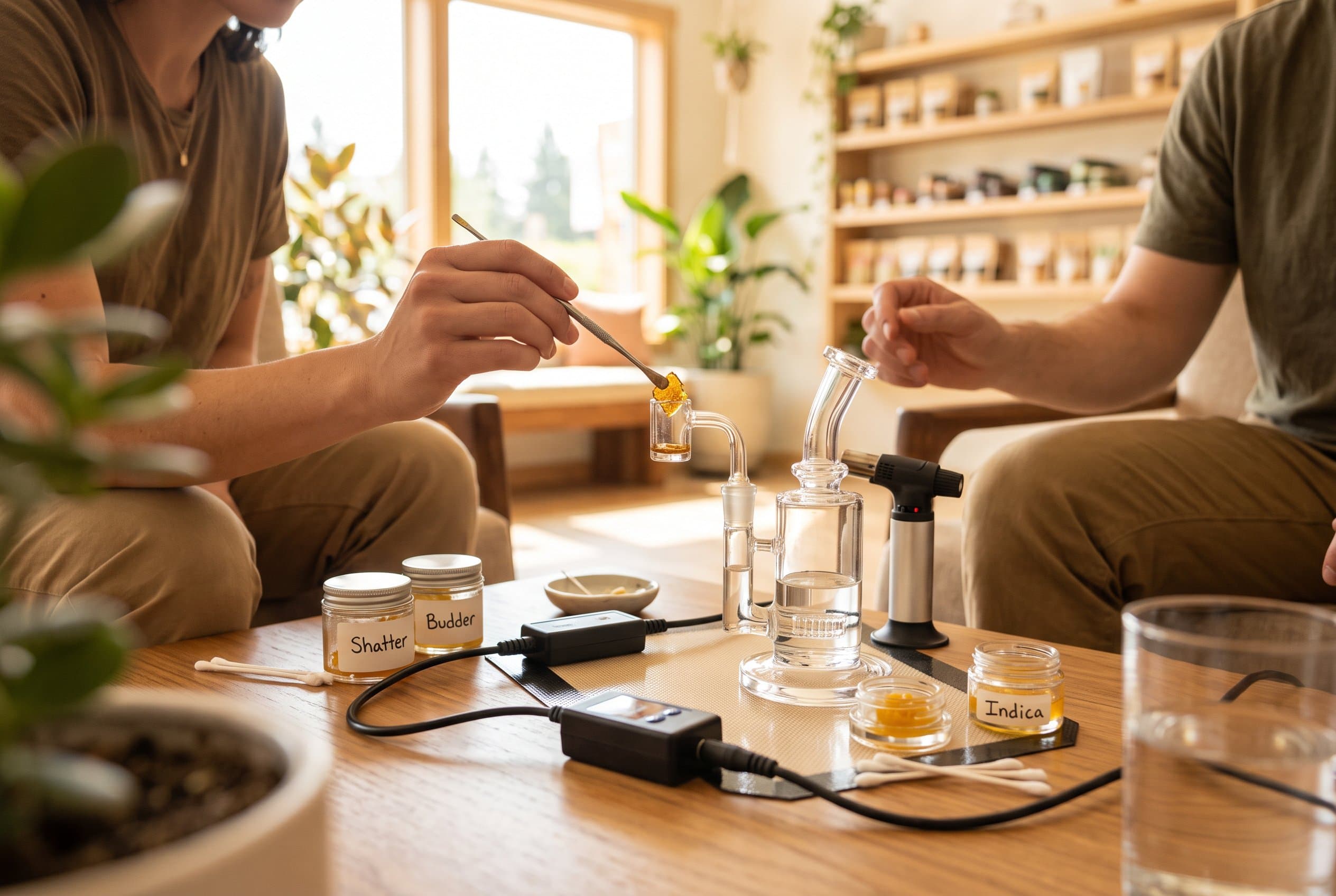
Quick Answer
Cannabis concentrates for beginners can feel intimidating, but the basics are straightforward: these are highly potent products made by extracting cannabinoids and terpenes from the cannabis plant, resulting in THC levels that often range from 60–90%[1] — far higher than the 15–25% found in most flower. For beginners, starting with a low-potency concentrate, using a small amount, and choosing the right consumption method are the most important steps to a positive first experience.
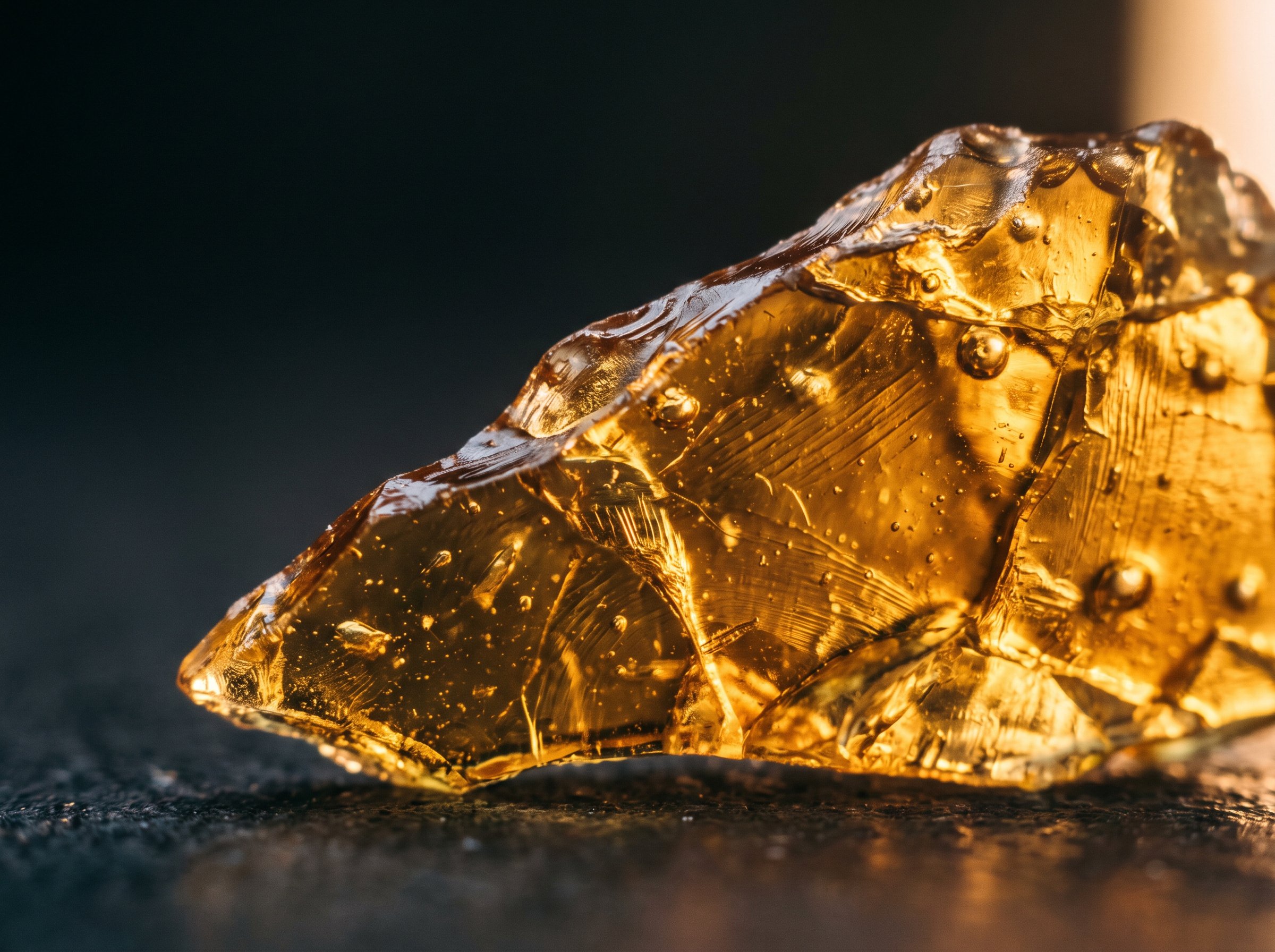
Key Takeaways
- Cannabis concentrates can test between 60–90% THC, making them significantly stronger than traditional flower[1]
- Common beginner-friendly options include vape cartridges, rosin, and live resin — each with different terpene profiles and onset times
- Terpenes like myrcene, limonene, and beta-caryophyllene survive the extraction process and directly shape the effects and flavor of the concentrate[2]
- "Start low, go slow" is especially critical with concentrates due to their elevated potency
- Full-spectrum and live resin products preserve more of the original plant's cannabinoid and terpene profile, often delivering a more nuanced experience[3]
Introduction
If you've only ever consumed cannabis flower, stepping into the world of concentrates can feel overwhelming. The terminology alone — wax, shatter, rosin, live resin, distillate — is enough to make anyone's head spin. But concentrates don't have to be intimidating.
Once you understand what they are, how they're made, and what to look for on a label, you'll be equipped to make a smart, informed choice at your dispensary. This guide breaks down the essentials so you can explore cannabis concentrates for beginners confidently and safely.
What Are Cannabis Concentrates for Beginners to Know?
Cannabis concentrates are products created by isolating the most desirable compounds from the cannabis plant — primarily cannabinoids like THC and CBD, along with terpenes — and removing plant material like waxes, chlorophyll, and fiber. The result is a potent, often highly flavorful product that delivers effects more quickly and intensely than flower.
Concentrates are produced through two broad methods[4]:
- Solvent-based extraction uses chemicals like butane, propane, or CO₂ to strip cannabinoids and terpenes from the plant. Products include BHO (butane hash oil), shatter, and wax.
- Solventless extraction uses heat, pressure, or ice water — no chemicals involved. Products include rosin, bubble hash, and dry sift.
For beginners, solventless products like rosin are often recommended because they're perceived as a cleaner, more natural option, and they tend to retain a rich terpene profile that closely mirrors the original strain[5].
What Types of Cannabis Concentrates Should Beginners Try First?
Not all concentrates are created equal, and some are far more forgiving for first-timers than others. Understanding the key formats will help you make a confident choice at the dispensary.
Vape Cartridges
Pre-filled vape carts are the most beginner-friendly entry point. They require no additional equipment beyond a compatible battery, and dosing is relatively easy to control — one short inhale delivers a consistent amount.
Most carts use distillate (a highly refined THC oil) or live resin. Live resin carts preserve more terpenes from the fresh-frozen plant[3], giving you a more flavorful, strain-specific experience. Look for carts labeled with the strain name and terpene information — a product dominant in limonene (citrusy, uplifting) will feel very different from one dominant in myrcene (earthy, relaxing)[2].
Rosin
Rosin is a solventless concentrate made by applying heat and pressure to cannabis flower or hash. It retains a broad spectrum of terpenes and cannabinoids, making it a favorite among consumers who want a full-spectrum experience.
Rosin typically tests between 65–80% THC[1], so a rice grain-sized amount is plenty for a beginner. Because no solvents are involved in production, many consumers consider it one of the purest concentrate options available[5].
Live Resin
Live resin is made from flash-frozen cannabis, preserving volatile terpenes that would otherwise degrade during drying and curing. The result is one of the most aromatic and flavorful concentrate types available[3].
Strains like Gelato (a cross of Sunset Sherbet and Thin Mint GSC) and Wedding Cake (Triangle Kush × Animal Mints) translate beautifully into live resin, carrying dominant terpenes like beta-caryophyllene and limonene that deliver complex, layered effects.
How Do Terpenes Affect Your Concentrate Experience?
Terpenes are aromatic compounds found throughout the cannabis plant that work alongside cannabinoids to shape your experience — a concept often called the entourage effect[2]. In concentrates, terpene content matters enormously because it directly influences flavor, aroma, and how the product makes you feel.
Here are three key terpenes to look for on concentrate labels:
- Myrcene — The most common cannabis terpene; earthy and musky, associated with relaxing, sedating effects. Common in indica-leaning concentrates.
- Limonene — Citrusy and bright; associated with uplifted, energized moods. Common in sativa-leaning and hybrid concentrates.
- Beta-caryophyllene — Spicy and peppery; the only terpene known to interact directly with CB2 receptors[6], associated with stress-relieving qualities.
When shopping for a concentrate, check whether the product lists its terpene profile. A live resin or full-spectrum product will typically carry a more complete terpene profile than a distillate-based product, which often has terpenes added back in after processing[4].
How Should Beginners Dose Cannabis Concentrates?
Dosing is where beginners most commonly go wrong. Because concentrates are 3–5 times more potent than flower by weight[4], the "start low, go slow" approach is non-negotiable. Taking too much too quickly is the most common reason first-time users have an unpleasant experience.
Practical beginner dosing tips:
- Start with a single, small inhalation from a vape cart and wait at least 10–15 minutes before taking more[1]
- For dabbing (a method involving a heated surface), a rice grain-sized amount — roughly 0.025–0.05 grams — is appropriate for a first session
- Choose products with known THC percentages and strain-specific terpene data so you can predict the experience
- Avoid concentrates with no labeling or lab test results (COA — Certificate of Analysis) available[5]
If you're newer to cannabis in general, consider starting with flower before moving to concentrates. The slower onset and lower potency give you more time to gauge your tolerance before stepping up to a more potent format.
What to Look for on a Concentrate Label
Reading a concentrate label correctly is one of the most important skills a beginner can develop. A quality product will include several key data points that help you predict the experience before you consume.
Look for the following on any concentrate you consider purchasing:
- THC and CBD percentages — These tell you the potency. For beginners, products in the 60–70% THC range are more forgiving than those above 80%[1]
- Terpene profile — Listed terpenes help you anticipate effects and flavor. Products without this data are often lower quality[2]
- Certificate of Analysis (COA) — A third-party lab report confirming the product's cannabinoid content and verifying it's free from pesticides, residual solvents, and heavy metals[5]
- Extraction method — Solventless (rosin, bubble hash) vs. solvent-based (BHO, CO₂) tells you how it was made[4]
Reputable dispensaries will have COAs available for all products, either on the packaging or accessible via a QR code. If a product has no lab data, skip it.
Conclusion
Cannabis concentrates offer a potent, flavorful, and fast-acting way to experience the plant's cannabinoids and terpenes — but they require a more thoughtful approach than flower, especially for beginners. Start with a beginner-friendly format like a vape cartridge or solventless rosin, pay close attention to the terpene profile and THC percentage on the label, and always give yourself time between doses.
As your familiarity grows, you can explore the full spectrum of concentrate types and find what works best for your preferences. Visit The Strain Report's strain database to explore specific strains and their terpene profiles before choosing your first concentrate.
Sources
- Leafly - Cannabis concentrate types, potency data, and consumer education resources covering THC percentages and beginner guidance
2. Project CBD - Terpene science, entourage effect research, and cannabinoid education for consumers and clinicians
3. Weedmaps - Cannabis concentrate product guides, live resin consumer education, and dispensary product information
4. National Institutes of Health – NCBI - Peer-reviewed research on cannabis extraction methods, cannabinoid concentration, and pharmacology
5. NORML - Consumer safety guidelines, cannabis product testing standards, and harm-reduction best practices
6. Frontiers in Pharmacology - Peer-reviewed research on beta-caryophyllene, CB2 receptor interactions, and cannabis terpene pharmacology