
Quick Answer
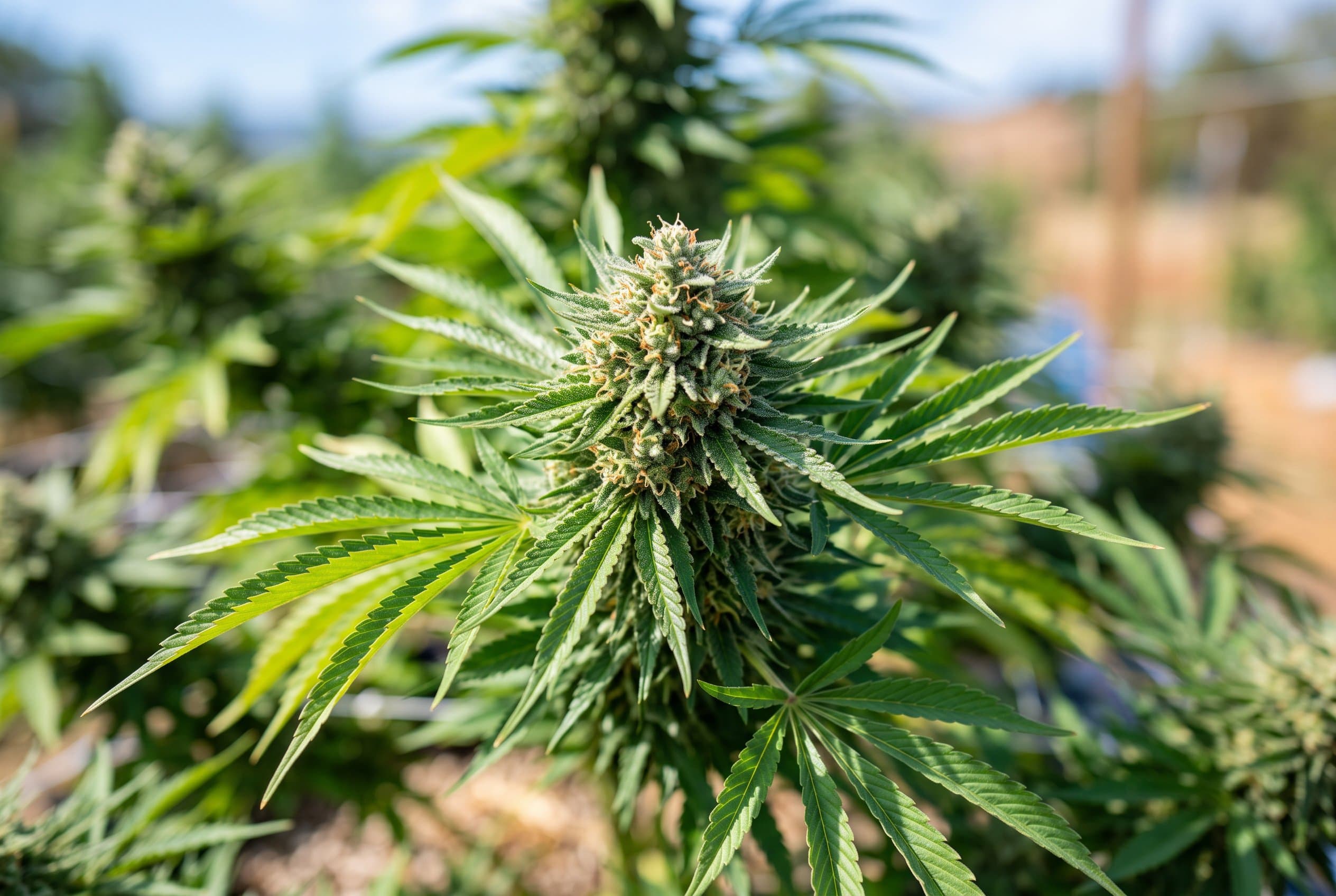
What does cannabis potency mean? It refers to the concentration of active compounds — primarily THC and CBD — in a given product or strain, typically expressed as a percentage of total weight[1]. A higher THC percentage means more of the primary psychoactive cannabinoid is present, but potency alone doesn't fully predict how a strain will affect you. Terpenes, cannabinoid ratios, and individual tolerance all play a significant role in the overall experience.
Key Takeaways
- THC percentage is the most common potency metric, but it's only one part of the picture
- Modern cannabis flower typically ranges from 15% to 30%+ THC, while concentrates can exceed 70–90%
- CBD content matters too — higher CBD can moderate THC's psychoactive intensity
- Terpenes like myrcene, limonene, and caryophyllene influence how potency is experienced
- Tolerance, consumption method, and product type all affect how potency translates to real-world effects
Walking into a dispensary and scanning the labels, you'll notice THC percentages front and center — 18%, 24%, 32%. It's easy to assume the highest number equals the best or strongest experience. But cannabis potency is more nuanced than a single number on a package. Understanding what potency actually means can help you choose strains and products that match your goals, whether you're looking for a mellow afternoon unwind or a more intense experience.
What Does Cannabis Potency Mean in Terms of THC and CBD?
When a label reads "25% THC," it means that 25% of the product's total weight is THC (delta-9-tetrahydrocannabinol), the primary psychoactive compound in cannabis[1]. For a 1-gram pre-roll, that works out to roughly 250 milligrams of THC — though how much actually reaches your bloodstream depends on your consumption method and individual metabolism[2].
CBD (cannabidiol) percentages work the same way. A strain with 15% THC and 8% CBD will feel noticeably different from one with 25% THC and 0.5% CBD, even though the THC count is lower. Research suggests CBD can interact with THC's effects, potentially moderating the intensity of the high[3]. This is why many consumers — especially those newer to cannabis — find balanced or CBD-forward strains more manageable.
How Potency Ranges Vary by Product Type
Potency varies dramatically across product categories:
- Flower: Typically 15–30% THC; craft and premium flower occasionally exceeds 30%
- Vape cartridges: Usually 70–85% THC distillate or live resin
- Concentrates (wax, shatter, rosin): Often 70–90%+ THC[4]
- Edibles: Dosed in milligrams (e.g., 5mg, 10mg per serving) rather than percentages
- Tinctures: Milligrams per milliliter (e.g., 25mg/mL)
Comparing potency across product types using percentage alone can be misleading, which is why milligram-based dosing is standard for edibles and tinctures[2].
Why High THC Doesn't Always Mean a Stronger Effect
This is one of the most important — and most misunderstood — aspects of cannabis potency. Studies have found that consumers cannot reliably distinguish between strains of varying THC levels based on subjective experience alone[2]. Several factors explain why.
Tolerance plays a massive role. A seasoned consumer may feel little effect from a 22% THC flower that would be overwhelming for a beginner. Regular use desensitizes CB1 receptors, the primary targets of THC in the brain[1].
The entourage effect describes how cannabinoids and terpenes work together to shape the overall experience[3]. A 20% THC strain rich in myrcene — a sedating terpene found in strains like Granddaddy Purple — may produce a heavier, more relaxing effect than a 28% THC strain dominated by limonene, which tends to feel more uplifting and energetic[5].
Consumption method significantly affects how potency is delivered. Smoking and vaping produce near-immediate effects, while edibles are processed through the liver and can take 30–90 minutes to peak — often at greater intensity[2].
How Terpenes Shape What Cannabis Potency Means for Your Experience
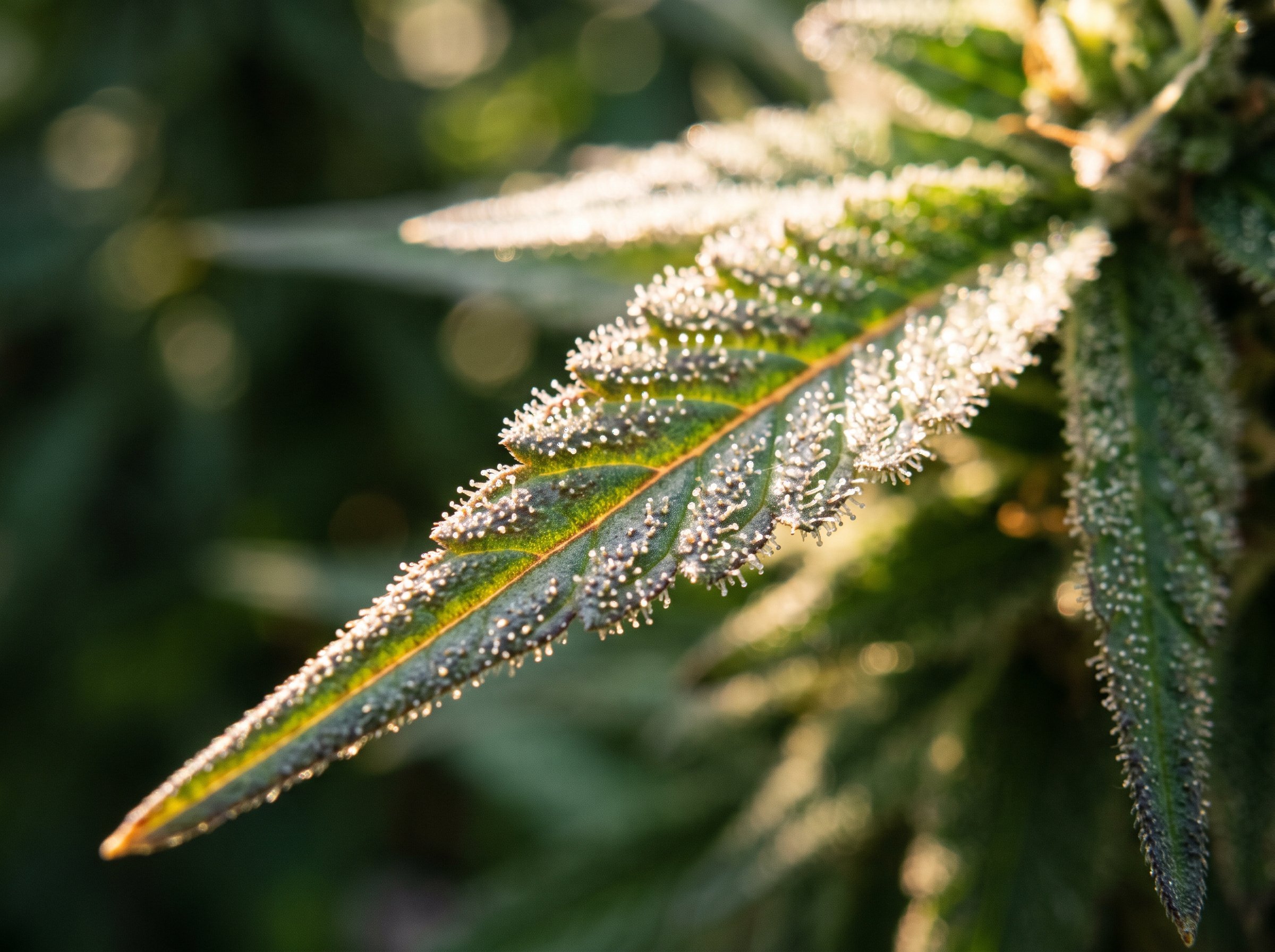
Terpenes are the aromatic compounds that give each strain its distinctive scent and flavor, but their role goes beyond aroma. They interact with cannabinoids at a biochemical level to influence how a strain's potency is experienced[5].
Here are a few key examples:
- Myrcene (earthy, musky): Associated with relaxing, sedating effects; dominant in strains like Blue Dream and OG Kush
- Limonene (citrus): Linked to uplifting, mood-elevating effects; prominent in Lemon Haze and Super Lemon Haze
- Caryophyllene (spicy, peppery): Uniquely binds to CB2 receptors; found in strains like GSC (Girl Scout Cookies) and Chemdog[5]
- Pinene (pine): Associated with alertness and mental clarity; common in Jack Herer and Dutch Treat
Two strains with identical THC percentages but different terpene profiles can produce noticeably different experiences[6]. This is why many experienced consumers pay as much attention to a strain's terpene profile as its THC number.
Practical Tips for Using Potency Information
Knowing how to interpret potency data can meaningfully improve your cannabis choices. For newer consumers, starting with flower in the 15–18% THC range alongside meaningful CBD content (5% or higher) is a sensible approach that reduces the risk of an overwhelming experience[3].
Experienced consumers may seek higher-THC strains or concentrate on specific terpene combinations to dial in a desired effect. Reading the full cannabinoid and terpene panel on a product label — not just the THC number — gives you a more complete picture of what to expect[6].
When trying a new product, start low and go slow regardless of the THC percentage. Individual metabolism, body weight, and prior cannabis exposure all influence how any given potency level will feel[1].
Conclusion
Cannabis potency is a starting point for understanding a product — not the whole story. THC percentage gives you a useful baseline, but your actual experience will be shaped by cannabinoid ratios, terpene profiles, your personal tolerance, and how you consume. Reading beyond the THC number and exploring full cannabinoid and terpene profiles will help you make smarter, more satisfying choices.
Sources
- National Institutes of Health (NIH) - Cannabis pharmacology, cannabinoid receptor research, and THC mechanisms of action
2. University of Colorado Anschutz Medical Campus - Cannabis research on THC bioavailability, dosing methods, and consumer potency perception
3. University of California Center for Medicinal Cannabis Research - CBD-THC interactions, cannabinoid ratios, and clinical cannabis studies
4. Leafly - Cannabis strain database, concentrate potency data, and product category comparisons
5. Frontiers in Pharmacology - Peer-reviewed research on terpene-cannabinoid interactions and the biochemistry of cannabis aroma compounds
6. NORML - Consumer cannabis research, potency trend reporting, and product use guidance