
Quick Answer
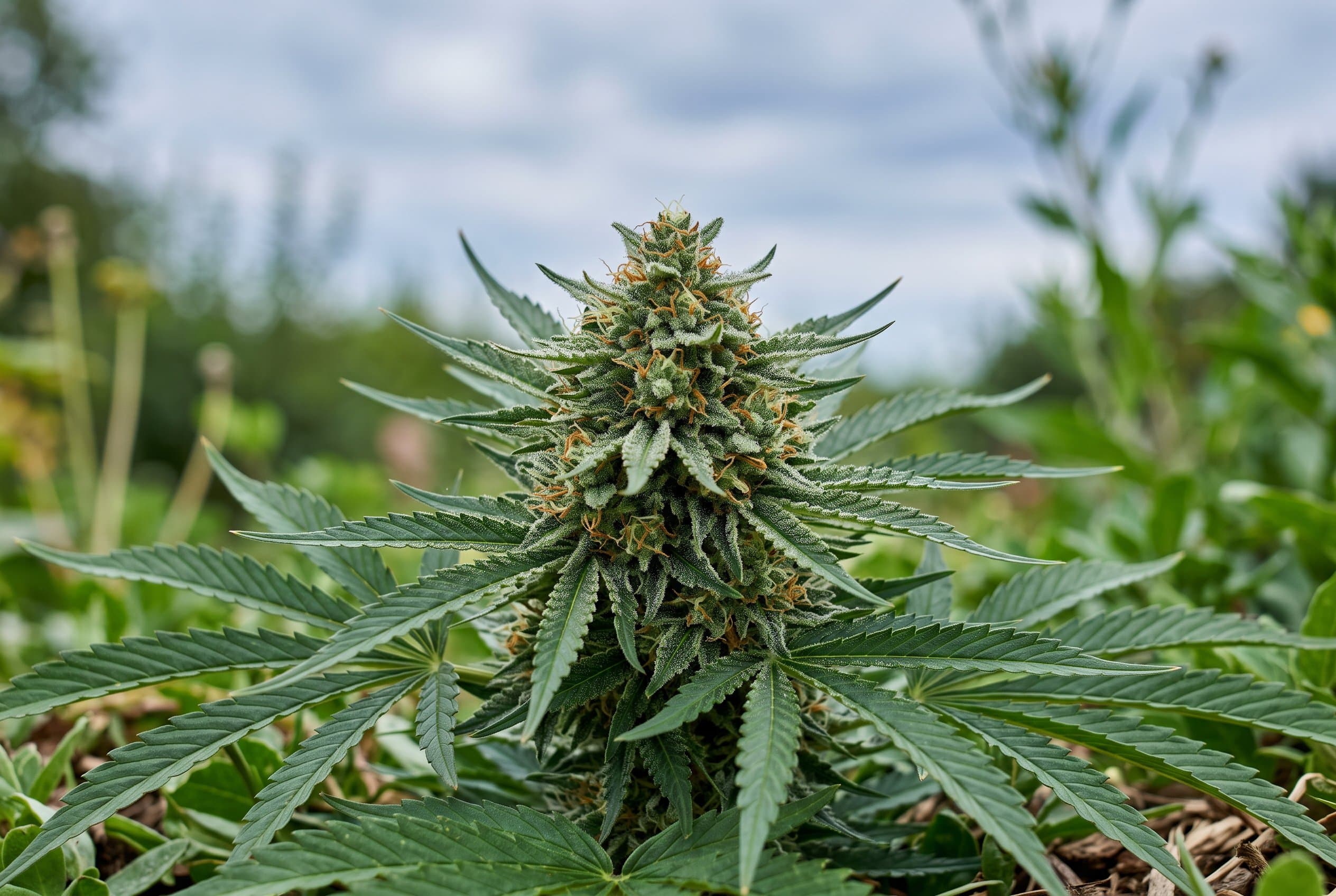
What are cannabis flavonoids? They are naturally occurring polyphenolic plant compounds — part of a broader family found in fruits, vegetables, and flowers — that contribute to the color, aroma, and overall character of a cannabis strain[1]. Unlike cannabinoids (such as THC and CBD) or terpenes, flavonoids are often overlooked, yet they play a meaningful role in shaping your experience through what researchers call the "entourage effect."
Key Takeaways
- Cannabis contains over 20 identified flavonoids, including unique compounds called cannaflavins not found in any other plant
- Flavonoids contribute to a strain's color, aroma, and taste alongside terpenes
- They interact with cannabinoids and terpenes through the entourage effect
- Cannaflavin A and Cannaflavin B are cannabis-exclusive flavonoids that have attracted significant scientific interest
- Flavonoids are not psychoactive — they do not produce a "high" on their own
Introduction
Most cannabis consumers are familiar with THC, CBD, and even terpenes like myrcene or limonene. But there is a third class of compounds quietly at work in every strain you consume: flavonoids. These phytonutrients are responsible for more than meets the eye — or the nose[2].
Understanding what cannabis flavonoids are can deepen your appreciation of why strains like Purple Punch display deep violet hues, or why certain strains deliver a complexity of flavor that goes far beyond what terpenes alone can explain[3].
What Are Cannabis Flavonoids, Exactly?
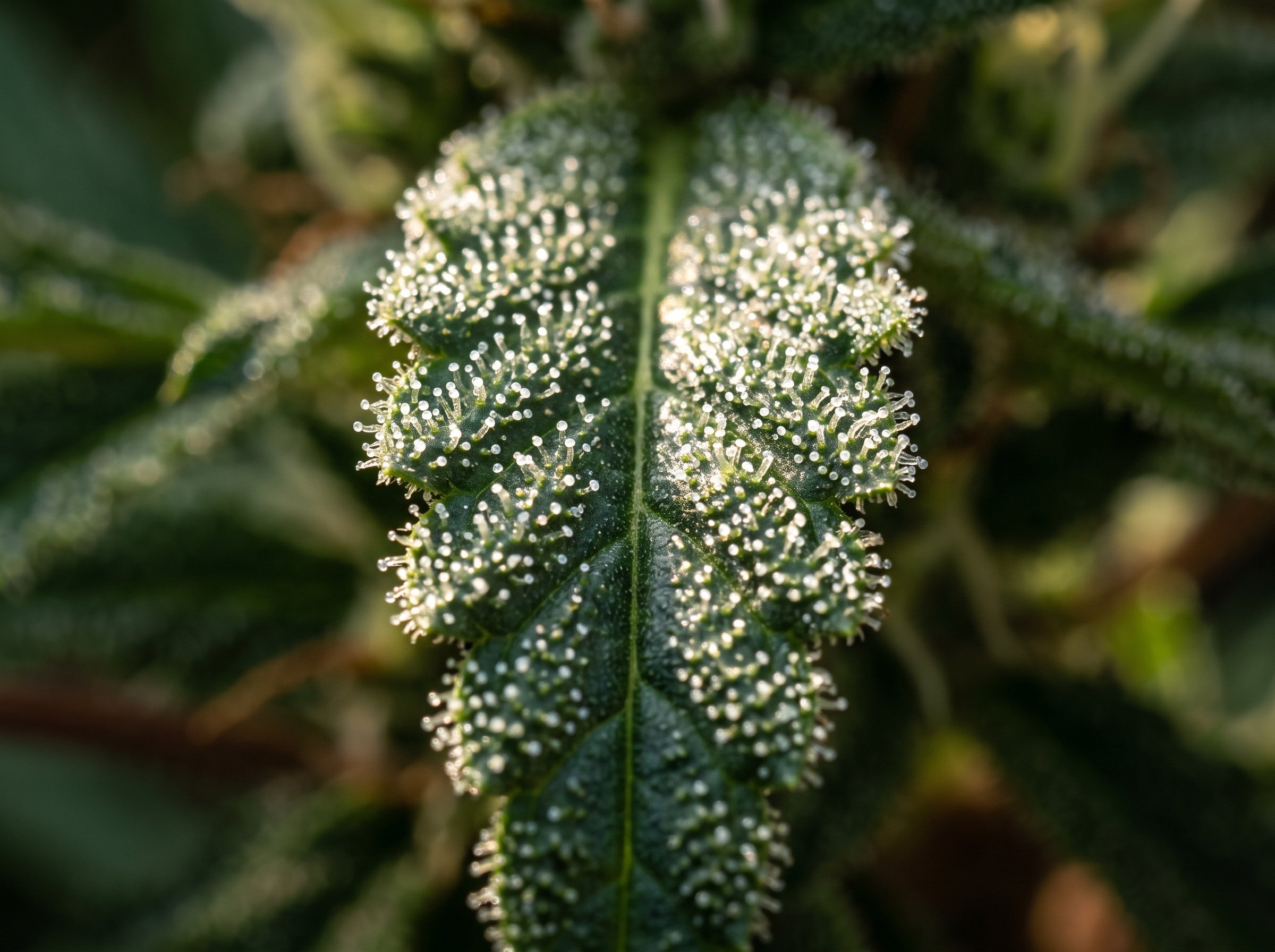
Flavonoids are a large class of polyphenolic compounds found throughout the plant kingdom[1]. In cannabis specifically, they are synthesized in the same trichomes that produce cannabinoids and terpenes. Scientists have identified more than 20 distinct flavonoids in the cannabis plant, which fall into several subgroups including flavones, flavonols, and anthocyanins[4].
Among the most notable cannabis flavonoids are:
- Quercetin — also found in apples and onions; contributes antioxidant properties
- Kaempferol — present in many plant foods; associated with yellow pigmentation in the plant
- Apigenin — found in chamomile as well as cannabis; contributes subtle floral aroma notes
- Anthocyanins — responsible for the purple, blue, and red hues seen in strains like Granddaddy Purple and Blue Cheese[3]
- Cannaflavin A and Cannaflavin B — unique to cannabis and found in no other known plant species[4]
Cannaflavins are the most cannabis-specific of the group. Research published in peer-reviewed journals has highlighted their biological activity, sparking interest in how they might work alongside other cannabis compounds[4][5].
How Do Cannabis Flavonoids Differ from Terpenes and Cannabinoids?
It is easy to mix up these three compound classes since they are all produced in the trichomes of the cannabis plant and all influence your experience. Here is how they differ:
- Cannabinoids (THC, CBD, CBG, CBN) interact directly with the body's endocannabinoid system and are primarily responsible for psychoactive and physiological effects[2].
- Terpenes (myrcene, limonene, caryophyllene, linalool) are aromatic oils that give strains their distinct scent profiles and contribute to mood and effect nuance through the entourage effect[3].
- Flavonoids contribute primarily to pigmentation, subtle flavor complexity, and potential biological interactions — but they are not aromatic in the way terpenes are, and they are not psychoactive like THC[1].
Think of it this way: cannabinoids are the engine, terpenes are the fuel blend, and flavonoids are part of the chassis — structural, influential, and worth understanding.
What Role Do Cannabis Flavonoids Play in the Entourage Effect?
The entourage effect is the widely discussed theory that cannabis compounds work better together than in isolation[5]. Most conversations about the entourage effect focus on cannabinoids and terpenes, but researchers have increasingly pointed to flavonoids as a third pillar of this synergy[4].
Flavonoids may influence how cannabinoids are absorbed and how terpenes interact with your sensory experience. For example, the anthocyanins that give Purple Punch its signature color also interact with the strain's terpene profile to create a more layered, full-spectrum experience[3][5].
The emerging consensus among cannabis researchers is that whole-plant, full-spectrum products may preserve more of these flavonoid compounds than highly refined isolates[6].
Why Do Some Cannabis Strains Have More Flavonoids Than Others?
Flavonoid content varies naturally between strains due to genetics, and the presence of certain flavonoids is directly tied to a strain's lineage. Granddaddy Purple owes its iconic violet coloring to high anthocyanin expression inherited from its Purple Urkle parent[3]. Strains without anthocyanin-producing genetics — like Sour Diesel or Green Crack — typically display the golden-green hues associated with kaempferol and quercetin instead[1].
Environmental factors such as temperature, light exposure, and soil conditions during cultivation can also influence flavonoid expression[6]. Full-spectrum cannabis products and whole-flower consumption tend to preserve the broadest range of flavonoids, while distillates and broad-spectrum extracts may contain fewer of these compounds depending on processing methods.
Conclusion
Flavonoids are one of cannabis's most underappreciated compound classes. They shape the color of the strains you love, add depth to their flavor, and contribute to the full-spectrum entourage experience that makes whole-plant cannabis unique[4][5]. As cannabis science advances, flavonoids — especially the cannabis-exclusive cannaflavins — are likely to become a bigger part of the conversation around strain selection and product quality. Next time you choose a strain, take a moment to look beyond THC percentage and terpene profile: the flavonoids are quietly doing their part too.
Sources
- Penn State Extension - Plant polyphenol and phytochemical science, including flavonoid compound identification in specialty crops
2. University of California Agriculture and Natural Resources - Cannabis crop science, phytochemical research, and cannabinoid education resources
3. National Institutes of Health / PubMed - Peer-reviewed research on plant polyphenols, anthocyanins, flavonoid pigmentation, and cannabis strain science
4. Frontiers in Pharmacology - Peer-reviewed research on cannaflavins, cannabis-exclusive flavonoid compounds, and phytochemical biology
5. Journal of Cannabis Research - Peer-reviewed cannabis phytochemistry studies covering the entourage effect and flavonoid interactions
6. Project CBD - Cannabinoid and flavonoid science research, full-spectrum product education, and consumer resources