
Quick Answer
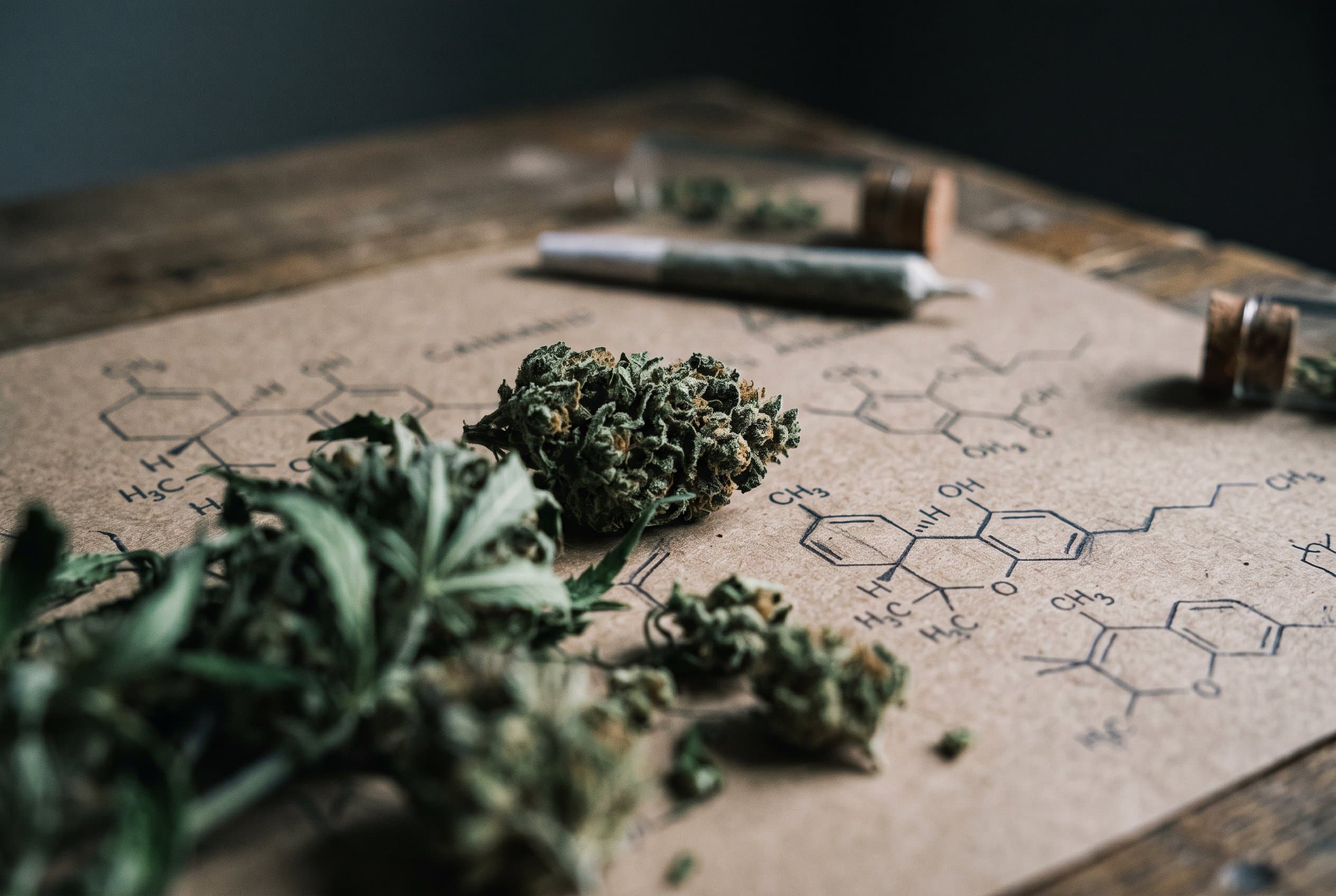
The entourage effect explained simply: it is the theory that cannabis compounds — cannabinoids like THC and CBD, plus terpenes and flavonoids — produce stronger, more nuanced effects when they work together than any single compound does alone[1]. Think of it like a band: each instrument plays a role, but the full sound comes from everyone playing at once. This principle is why full-spectrum cannabis products and whole-plant strains are often preferred over isolated THC or CBD[2].
Key Takeaways
- The entourage effect describes how cannabinoids and terpenes interact synergistically to shape your overall cannabis experience
- THC and CBD can modulate each other — CBD may soften some of THC's more intense psychoactive effects[3]
- Terpenes like myrcene, limonene, and linalool are believed to influence whether a strain feels energizing, calming, or somewhere in between
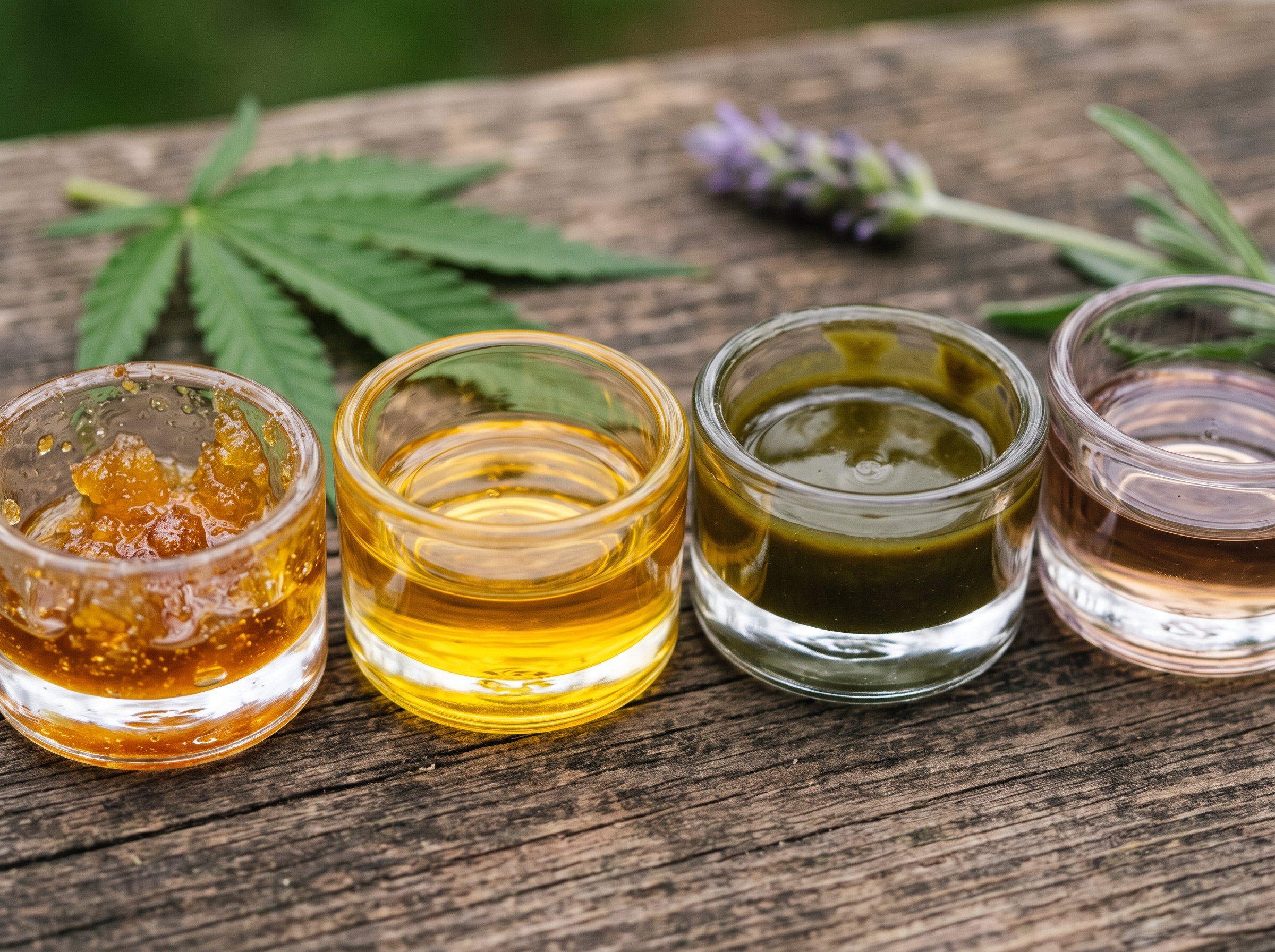
- Full-spectrum cannabis products preserve more of these compounds than isolates, potentially delivering a richer entourage effect
- Strain selection matters — a high-THC strain with a diverse terpene profile may feel very different from one with the same THC percentage but fewer supporting compounds
Introduction
If you've ever wondered why two strains with identical THC levels can feel completely different, the entourage effect explained may hold the answer. First proposed by researchers Raphael Mechoulam and Shimon Ben-Shabat in 1998 and later expanded by Dr. Ethan Russo in a landmark 2011 paper[4], this concept has become one of the most discussed ideas in cannabis science. Understanding it can genuinely change how you shop for strains and products.
What Exactly Is the Entourage Effect Explained?
Cannabis contains over 100 known cannabinoids and more than 200 terpenes[5]. The entourage effect proposes that these compounds don't just coexist — they interact. THC binds to CB1 receptors in the brain to produce psychoactive effects, but the presence of other compounds appears to influence how that interaction plays out.
CBD is perhaps the best-documented example. Research suggests CBD can reduce some of the anxiety or paranoia that high doses of THC sometimes trigger, essentially acting as a moderator[3]. A strain like Harlequin — which typically tests at 7–15% CBD and 5–10% THC — is a popular example of this balancing act in action. Many consumers report a clear-headed, functional effect rather than an overwhelming high.
How Cannabinoids Interact With Each Other
Beyond THC and CBD, minor cannabinoids like CBG (cannabigerol) and CBN (cannabinol) are also part of the entourage conversation. CBG has been studied for its potential role in mood regulation, while CBN is commonly associated with sedating effects and appears in higher concentrations in aged or oxidized cannabis[2]. While research into these minor cannabinoids is still developing, their presence in full-spectrum products is believed to contribute to the overall effect profile.
How Do Terpenes Fit Into the Entourage Effect?
Terpenes are aromatic compounds found in the essential oils of cannabis and many other plants. They're responsible for the distinct scents of strains — the pine of Jack Herer, the citrus of Super Lemon Haze, the earthy musk of OG Kush. But terpenes may do more than just smell good[4].
Dr. Ethan Russo's 2011 research suggested that terpenes interact with cannabinoid receptors and may amplify or redirect the effects of THC and CBD[4]. Here's a quick look at key players:
- Myrcene — The most common cannabis terpene, found in strains like Blue Dream (which tests around 17–24% THC with myrcene as its dominant terpene). Associated with relaxing, sedating qualities.
- Limonene — Prevalent in citrusy strains like Strawberry Banana. Often linked to uplifted, stress-relieving effects.
- Linalool — Found in Do-Si-Dos and some Purple strains. Also present in lavender, it's associated with calming, anxiolytic qualities[5].
- Pinene — Common in Jack Herer and Pineapple Express. Some research points to alertness and memory retention.
- Caryophyllene — Unique because it also binds directly to CB2 receptors. Found in strains like Girl Scout Cookies and Sour Diesel[1].
This is why terpene profiles have become a key factor for informed cannabis consumers — not just THC percentage.
Does the Science Actually Support the Entourage Effect Explained?
The honest answer: the entourage effect is well-supported by early research, but scientists are still building the full picture[6]. Russo's foundational work is widely cited, and several studies have found that full-spectrum cannabis extracts outperform CBD isolate in specific contexts. However, large-scale, randomized human trials are still limited, partly due to historical restrictions on cannabis research.
What's clear is that the chemical complexity of whole-plant cannabis creates a different experience than isolated compounds — a fact consistently supported by consumer data as well[2]. Consumer effect reports consistently show that strains with diverse terpene profiles receive more nuanced ratings than those dominated by a single compound.
It's also worth noting that the entourage effect doesn't mean "more is always better." The goal is balance and intentionality — understanding which compounds work for your desired experience[6].
Conclusion
The entourage effect reframes how we think about cannabis. Rather than chasing the highest THC number on a label, savvy consumers are learning to read full terpene profiles and cannabinoid ratios to predict and personalize their experience. Whether you're drawn to the myrcene-rich calm of a Blue Dream, the limonene-lifted energy of a Super Lemon Haze, or the balanced CBD-to-THC ratio of a Harlequin, the interplay of compounds is shaping your experience whether you're aware of it or not.
Next time you're exploring strains, look beyond the THC percentage. Ask your budtender about the terpene profile, check for CBD content, and consider trying a full-spectrum product if you haven't already. Understanding the entourage effect is one of the most practical tools you have for a more intentional cannabis experience.
Sources
- Colorado State University Extension - Cannabis plant chemistry, cannabinoid and terpene compound research
2. University of California Agriculture and Natural Resources - Cannabis research program covering full-spectrum extracts and isolated cannabinoid comparisons
3. National Institutes of Health (NIH) - Clinical research on cannabinoid interactions and THC/CBD modulation effects
4. Frontiers in Pharmacology - Russo EB, "Taming THC: potential cannabis synergy and phytocannabinoid-terpenoid entourage effects" (2011)
5. Cornell University College of Agriculture and Life Sciences - Terpene biology and plant essential oil compound research
6. Journal of Cannabis Research - Peer-reviewed studies on full-spectrum cannabis and isolated cannabinoid comparisons