
Quick Answer
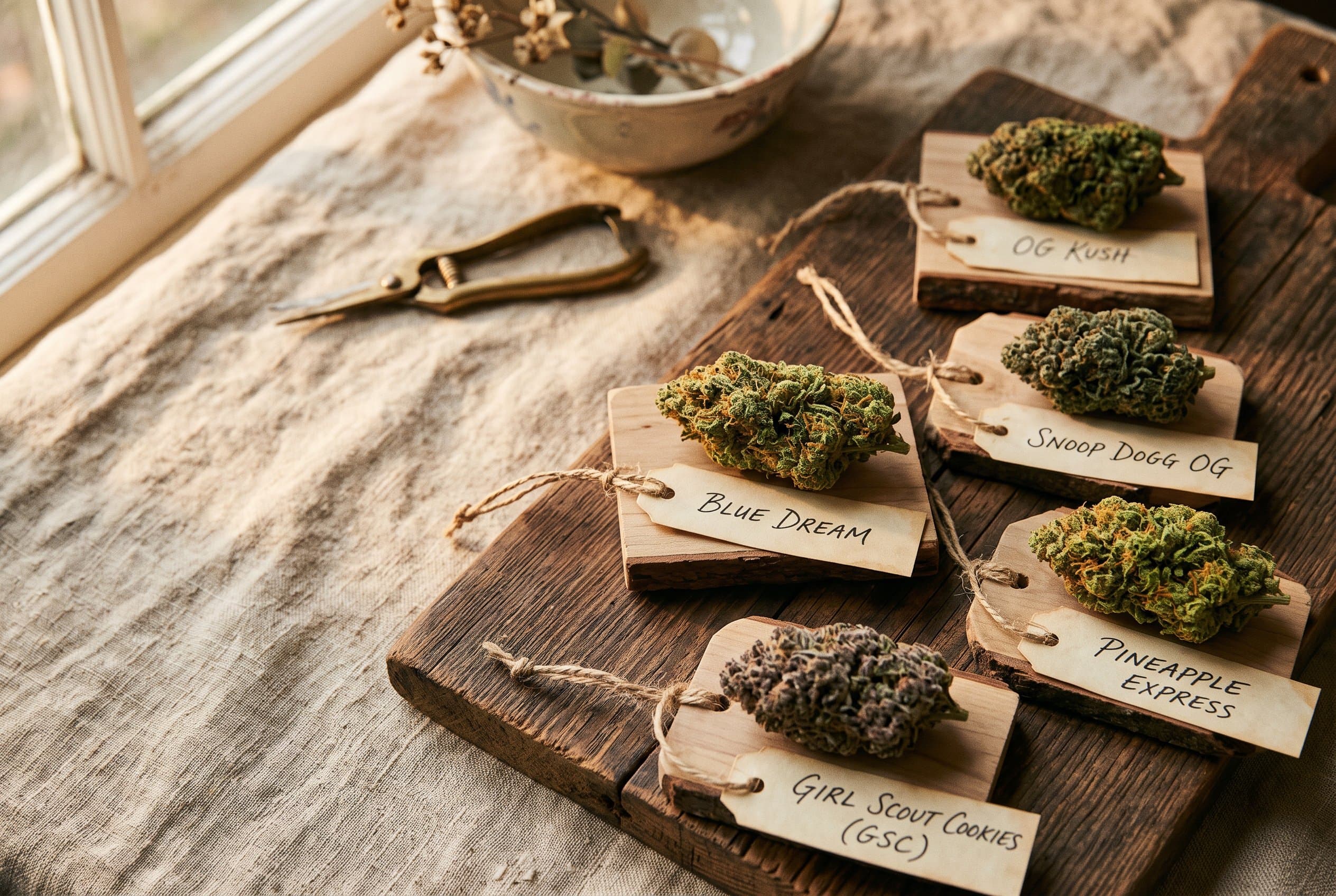
The most popular cannabis strains in 2026 include longtime favorites like Blue Dream and OG Kush alongside newer heavy-hitters like Runtz and Jealousy that have dominated dispensary sales charts[1]. Consumer demand continues to shift toward high-terpene, balanced hybrids in the 20–28% THC range that deliver nuanced effects rather than raw potency alone[2].
Key Takeaways
- Hybrid strains now dominate the market, accounting for the majority of top-selling products at U.S. dispensaries[1]
- Terpene profiles — especially myrcene, caryophyllene, and limonene — are increasingly driving consumer purchasing decisions[3]
- THC percentages for top strains typically range from 20–30%, but higher THC does not always mean a better experience
- Strain lineage matters: knowing a strain's parent genetics helps predict effects and flavor
- New releases like Jealousy and Gary Payton have joined classic strains in the top-seller rankings at major dispensary chains[2]
Introduction
Cannabis culture moves fast. Strains that topped dispensary menus just a few years ago now share shelf space with boutique genetics developed by elite breeders. Whether you're a first-time buyer trying to make sense of a crowded menu or a seasoned consumer looking to discover something new, knowing which strains are trending — and why — gives you a real advantage.
This guide breaks down the most popular cannabis strains of 2026, ranked by sales data, consumer reviews, and terpene science so you can choose with confidence.
Most Popular Cannabis Strains in 2026: Full Rankings
Based on dispensary sales data, consumer review platforms, and strain search trends, these are the strains leading the pack in 2026[1][2]:
| Strain | Type | THC% | Best For | Key Terpene |
|---|---|---|---|---|
| Blue Dream | Sativa-Hybrid | 17–24% | Creativity, daytime focus | Myrcene |
| OG Kush | Indica-Hybrid | 20–26% | Stress relief, evening use | Caryophyllene |
| Runtz | Balanced Hybrid | 22–29% | Euphoria, socializing | Limonene |
| Jealousy | Indica-Hybrid | 24–30% | Deep relaxation, flavor | Caryophyllene |
| Gelato #33 | Balanced Hybrid | 20–25% | Mood elevation, creativity | Caryophyllene |
| Gary Payton | Sativa-Hybrid | 20–28% | Energy, mental clarity | Limonene |
| Wedding Cake | Indica-Hybrid | 22–27% | Relaxation, evening use | Myrcene |
Blue Dream — The Enduring All-Rounder
A cross of Blueberry and Haze, Blue Dream (17–24% THC) has remained one of the top-searched and top-selling strains in the U.S. for nearly a decade[1]. Its dominant terpene, myrcene, is associated with an earthy, herbal aroma and contributes to a smooth, full-body sensation that stops short of heavy sedation[3].
Blue Dream is an ideal starting point for newer consumers and a reliable daily driver for experienced users who want balance.
OG Kush — The Foundation of Modern Cannabis
OG Kush (20–26% THC) is arguably the most influential strain in modern cannabis genetics — Runtz, Gelato, and Wedding Cake all trace lineage back to it[4]. Its pungent fuel-and-pine aroma comes largely from beta-caryophyllene and limonene.
Caryophyllene is notable among terpenes because it also interacts with CB2 receptors in the endocannabinoid system[5], which researchers believe may contribute to its distinctive physical effect profile.
Runtz — The Candy-Coated Cultural Phenomenon
A cross of Zkittlez and Gelato, Runtz (22–29% THC) exploded in popularity around 2020 and shows no sign of slowing down[1]. Its candy-sweet flavor profile, driven by limonene and caryophyllene, pairs with a balanced euphoric high that appeals to both recreational and wellness-minded consumers.
The strain is available in dozens of phenotype expressions — White Runtz, Pink Runtz, and Runtz OG among them — giving dispensary shoppers plenty of variety within the family.
Jealousy — The New Elite Strain to Know
Jealousy (Sherbert Bx1 × Gelato 41) has rapidly risen from boutique genetics to mainstream bestseller[2]. Testing consistently at 24–30% THC with a terpene profile heavy in caryophyllene and limonene, it delivers a creamy, dessert-forward flavor followed by a heavy, relaxing effect onset.
Jealousy represents the 2026 trend toward "connoisseur genetics" — strains bred as much for flavor complexity as for potency[4].
Gelato #33, Gary Payton, and Wedding Cake
These three strains round out the top seven and each fills a distinct consumer niche. Gelato #33 (20–25% THC) offers a balanced mood lift suited to creative activities[2]. Gary Payton (20–28% THC) skews energetic and mentally stimulating, making it a popular daytime choice. Wedding Cake (22–27% THC) leans toward evening relaxation with a sweet, vanilla-dough aroma driven by myrcene.
What Terpenes Are Driving Cannabis Strain Popularity in 2026?
Consumers are increasingly shopping by terpene profile, not just by THC percentage[2]. Here's a quick breakdown of the three terpenes most commonly found in 2026's top strains:
- Myrcene — The most abundant terpene in cannabis overall[3]. Earthy and herbal in aroma, myrcene is associated with relaxing, sedating qualities and appears prominently in Blue Dream and Wedding Cake.
- Beta-Caryophyllene — A spicy, peppery terpene unique in that it binds directly to CB2 receptors in the endocannabinoid system[5]. Found in OG Kush, Jealousy, and Gelato #33.
- Limonene — Bright and citrusy, limonene is present in Runtz, Gary Payton, and OG Kush. It is associated with uplifting, mood-brightening effects in consumer reports[3].
Research published in peer-reviewed cannabis science journals suggests that terpenes may work synergistically with cannabinoids — a concept often called the "entourage effect" — though scientists note that more human clinical research is needed to fully characterize these interactions[5][6].
How to Choose the Right Strain From This List
Choosing a strain is personal. THC percentage is a starting point, but it's only one variable. Here's a practical framework to narrow your choice[6]:
- If you're new to cannabis or have a lower tolerance, start with strains in the 17–22% THC range, like Blue Dream or Gelato #33
- If you prioritize flavor and aroma, look for strains with diverse terpene certificates of analysis (COA) — Jealousy and Runtz consistently score well
- If you want daytime energy and focus, sativa-leaning hybrids like Gary Payton or Blue Dream are strong choices
- If you prefer evening relaxation, indica-leaning hybrids like Wedding Cake, OG Kush, or Jealousy tend to deliver heavier body effects
- Always read the product's COA from your dispensary — real terpene and cannabinoid data beats any general strain description
Conclusion
The most popular cannabis strains of 2026 reflect a maturing consumer base that cares as much about flavor, terpene complexity, and nuanced effects as raw THC numbers[1][2]. Whether you gravitate toward the dependable balance of Blue Dream, the dessert-forward luxury of Jealousy, or the cultural cachet of Runtz, there's a top-selling strain suited to your preferences.
Use this guide as your starting point, then ask your budtender for the COA on any product you're considering — data-driven decisions make for better cannabis experiences.
Sources
- Leafly - Cannabis strain database, consumer reviews, and annual strain popularity rankings used to identify top-selling strains by search volume and dispensary movement
2. Headset - Cannabis industry point-of-sale analytics and dispensary market trend reports tracking strain-level sales data across licensed U.S. markets
3. University of Mississippi School of Pharmacy – Research Institute of Pharmaceutical Sciences - Foundational cannabis terpene research including myrcene, limonene, and caryophyllene characterization and consumer effect associations
4. Cornell University College of Agriculture and Life Sciences - Cannabis cultivar genetics, breeding research, and strain lineage documentation relevant to modern hybrid development
5. National Institutes of Health / PubMed - Peer-reviewed pharmacological research on beta-caryophyllene CB2 receptor binding, cannabinoid–terpene interactions, and the entourage effect hypothesis
6. Colorado State University Extension - Consumer cannabis education resources covering responsible use, potency considerations, and guidance for selecting products based on cannabinoid and terpene profiles