

Quick Answer
A cannabis pre-rolls buying guide should start with one core principle: look beyond THC percentage to evaluate flower quality, terpene profiles, and construction. The best pre-rolls use whole-flower or premium shake from a single named strain, not mystery trim and shake from the bottom of the barrel. Knowing what to look for saves you money and gets you closer to the experience you actually want.
Key Takeaways
- Not all pre-rolls are created equal — flower quality, fill material, and strain transparency vary widely by brand
- THC percentage alone does not predict the quality or character of your experience; terpenes matter just as much[1]
- Infused pre-rolls (coated in concentrate or kief) can reach 40–60%+ total cannabinoids and are best suited for experienced consumers[2]
- Single-strain pre-rolls give you more predictable, repeatable effects than generic house blends
- Always check the label for strain name, cannabinoid percentages, terpene data, and harvest or packaging date
Introduction
Pre-rolls are the fastest-growing segment of the legal cannabis market, and for good reason — they're convenient, consistent, and require zero prep work[3]. But the pre-roll shelf at your dispensary can be overwhelming. Prices range from $5 singles to $30 infused joints, and the difference between a quality smoke and a harsh, disappointing experience often comes down to a few key factors most consumers never check. This cannabis pre-rolls buying guide breaks down exactly what to look for so you can shop with confidence.
What Types of Pre-Rolls Are Available?
The pre-roll category has expanded far beyond a simple joint. Understanding the main types helps you match your purchase to your tolerance and goals.
Standard Flower Pre-Rolls
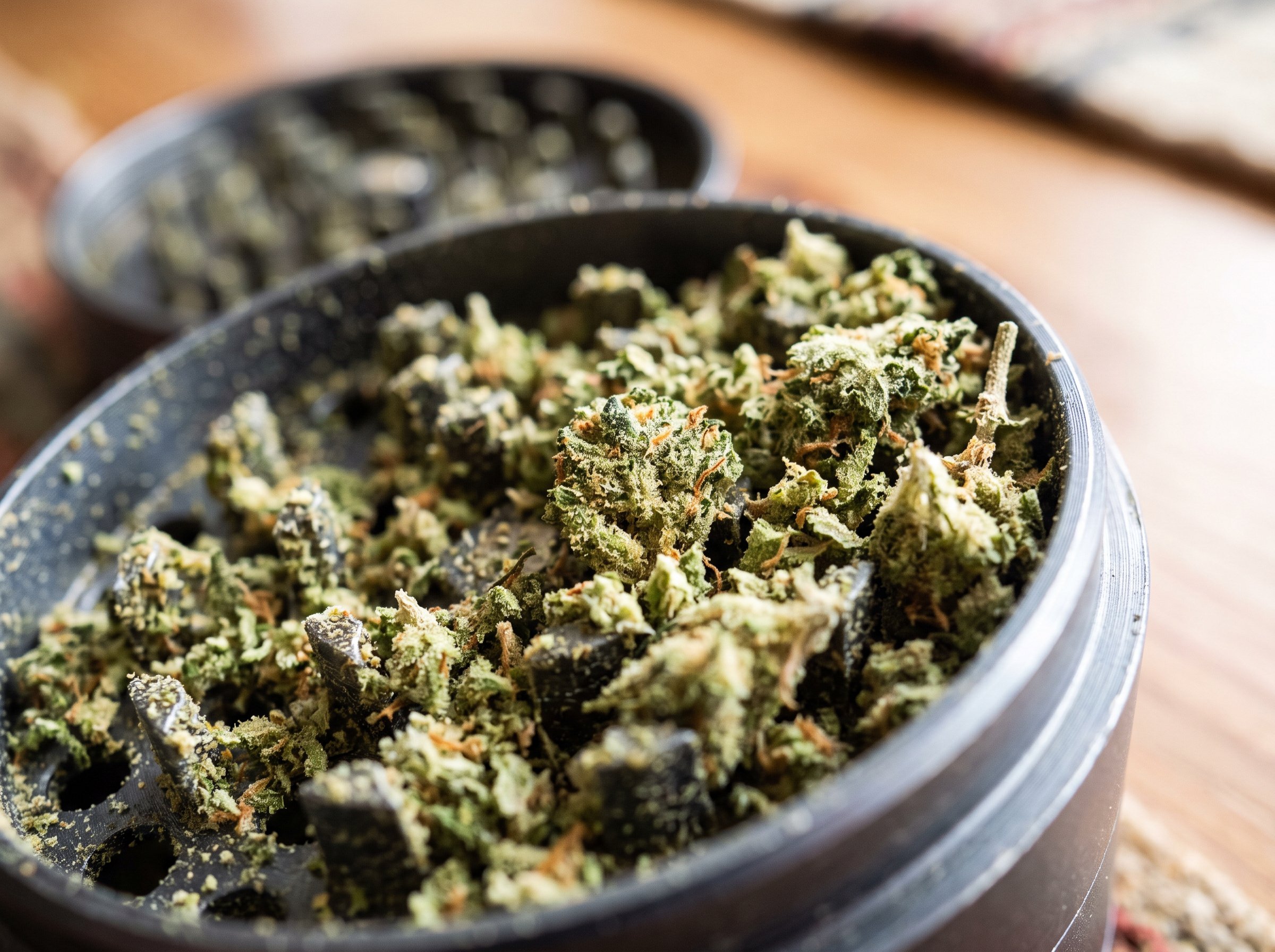
These are filled with ground cannabis flower — ideally whole flower or premium shake from a clearly labeled strain. A well-made standard pre-roll from a quality strain like Blue Dream (a sativa-dominant hybrid of Blueberry × Haze) typically tests between 17–22% THC with a terpene profile led by myrcene, caryophyllene, and pinene[4]. Standard pre-rolls are the best starting point for beginners or anyone who wants a manageable, predictable session.
Infused Pre-Rolls
Infused pre-rolls are standard joints enhanced with concentrate — live resin, distillate, rosin, or hash — inside the paper, on the outside, or both. They're often finished with a kief coating, and total cannabinoid content can reach 40–60% or higher[2]. Look for brands that specify the type of concentrate used; live resin and rosin preserve terpenes far better than distillate, giving you a richer flavor and more nuanced effect[1].
Multi-Strain Blends and Caviar Joints
Some brands blend multiple strains or mix flower with hash for a layered experience. These can be excellent, but transparency matters — if the label just says "indica blend" with no strain names or terpene data, you're flying blind. State-licensed producers are increasingly required to disclose fill materials on labeling, so always check[5].
What Should You Check on the Label in This Cannabis Pre-Rolls Buying Guide?
The label is your most important tool when buying pre-rolls. Here's what to evaluate before you purchase:
- Strain name and lineage — a named strain (e.g., Gelato #41, a cross of Sunset Sherbet × Thin Mint GSC) gives you something to research and revisit[4]
- Total THC and CBD percentages — standard pre-rolls typically range from 15–28% THC; anything labeled above 30% in a non-infused product warrants scrutiny
- Terpene profile — dominant terpenes like myrcene (relaxing, earthy), limonene (uplifting, citrus), and linalool (calming, floral) shape your experience as meaningfully as THC content[1]
- Packaging or harvest date — cannabis degrades over time; fresher is better, and anything over six months old may taste stale
- Fill material disclosure — look for "whole flower" or "premium shake" rather than vague terms like "cannabis material"
- Third-party lab testing (COA) — a Certificate of Analysis from an accredited lab confirms cannabinoid and terpene data and screens for contaminants[6]
How Do You Match a Pre-Roll to Your Desired Effects?
Once you understand the label, you can align your choice with what you're actually looking for.
For Uplifting, Social, or Creative Effects
Look for pre-rolls featuring strains with dominant limonene or terpinolene terpenes. Strains like Jack Herer (a sativa-leaning hybrid of Haze × Northern Lights #5 × Shiva Skunk) or Durban Poison tend to deliver energetic, clear-headed experiences[4]. THC in the 18–22% range is plenty for this purpose.
For Relaxing or Unwinding Effects
Seek out pre-rolls with myrcene and linalool as primary terpenes. Indica-leaning strains like Granddaddy Purple (a cross of Purple Urkle × Big Bud) or Bubba Kush are popular choices, typically testing 17–22% THC[4]. Research suggests myrcene may contribute to sedative-adjacent effects, though individual responses vary[1].
For Balanced or Mild Experiences
If you're new to pre-rolls or prefer something gentler, consider strains with higher CBD content (a 1:1 or 2:1 THC:CBD ratio) or standard flower pre-rolls with THC in the 15–18% range. The presence of CBD alongside THC appears to moderate the overall character of the experience through what researchers describe as the entourage effect[7].
What Are the Biggest Red Flags to Avoid?
Not every pre-roll on the shelf deserves your money. Watch for these warning signs:
- No strain name or generic labeling — "indica" or "house blend" without specifics suggests low-quality fill material
- No terpene data listed — quality brands test and display terpene percentages[6]
- Unusually low price with high THC claims — cheap pre-rolls often contain trim, stems, or low-grade shake
- Stale or chemical smell through the packaging — a quality pre-roll has a distinct, aromatic scent even before you open it
- Runs or burns unevenly — this usually signals poor packing or inconsistent grind, both signs of low-quality production
- No COA or lab testing disclosure — without third-party verification, potency and purity claims are unconfirmed[6]
Conclusion
Using this cannabis pre-rolls buying guide means reading labels carefully, understanding the role terpenes play alongside THC, and choosing brands that are transparent about what's inside their products. Start with a single-strain, whole-flower pre-roll from a reputable brand, note the strain name and terpene profile, and use that information to refine your choices over time. The more intentional you are about what you buy, the more consistent and satisfying your experience will be. Ask your budtender for their top picks in each category — they often have firsthand knowledge of which local brands deliver the best quality at every price point.
Sources
- National Center for Biotechnology Information (NCBI) - Peer-reviewed research on cannabis terpenes, their pharmacological properties, and role in consumer effects
2. Weedmaps - Cannabis product education including infused pre-roll categories, concentrate types, and consumer guidance
3. Cannabis Business Times - Cannabis market data and pre-roll category sales trend reporting for the legal industry
4. Leafly - Cannabis strain database including terpene profiles, lineage data, and consumer effect reviews
5. NORML - Cannabis consumer rights, state-by-state legal information, and product labeling standards advocacy
6. SC Labs - Accredited cannabis testing laboratory providing COA standards, contaminant screening, and potency verification guidance
7. Project CBD - Science-based education on cannabinoids including THC, CBD, terpenes, and the entourage effect