
Medical Only
North Dakota
3 oz per 30-day period
Age 18+View Guide →
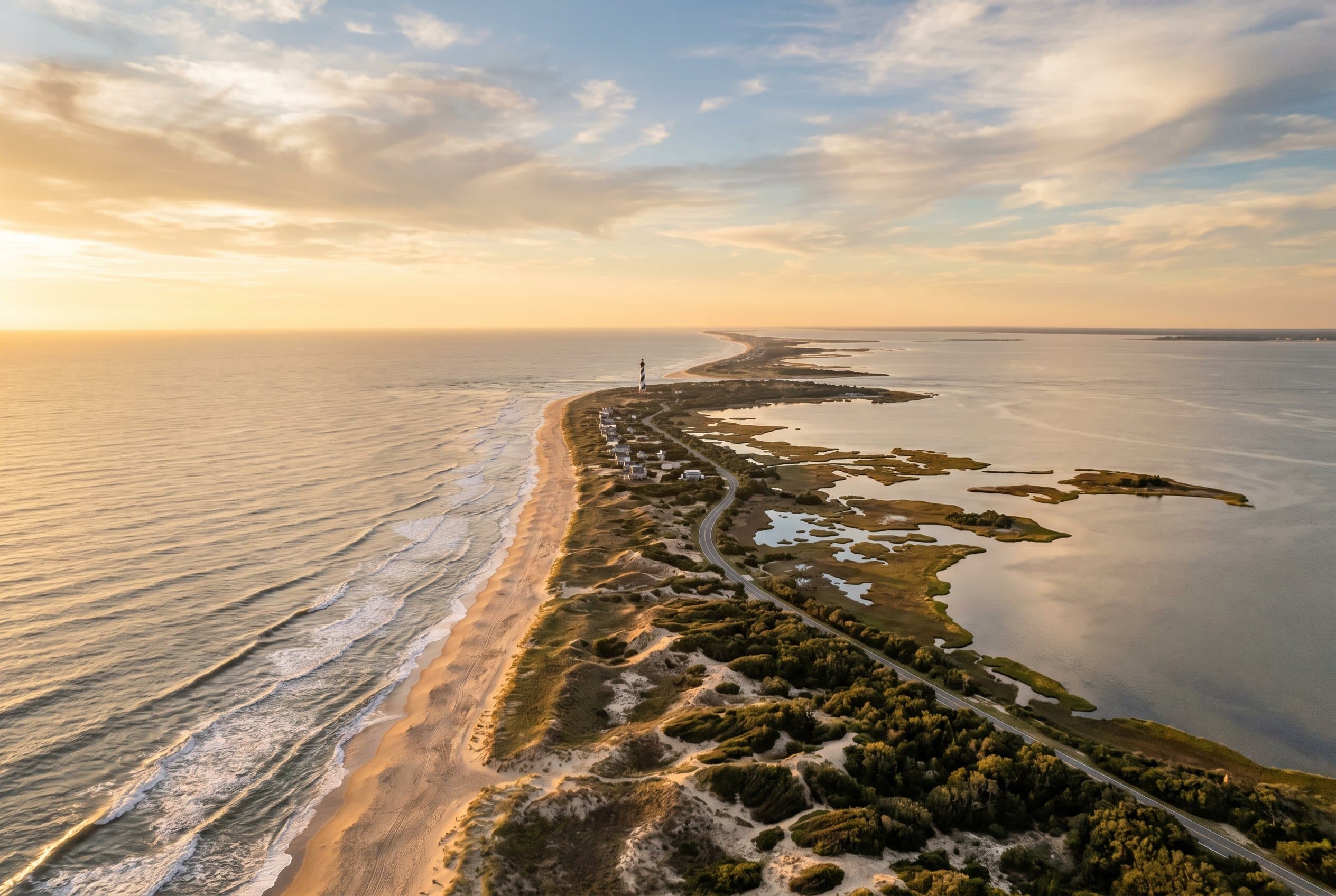
North Carolina has no medical or adult-use cannabis program under state law. Possessing up to half an ounce is a Class 3 misdemeanor, the lowest criminal level, usually punished by a fine of up to $200. Larger amounts bring more serious misdemeanor or felony charges. The Eastern Band of Cherokee Indians operates its own cannabis program on tribal land in western North Carolina under tribal law, but those protections do not extend off tribal land. Medical bills have passed the state Senate in past sessions but not the House.
Last reviewed October 2026. General information, not legal advice.
Cannabis is illegal statewide. Possession of up to ½ oz is a low-level Class 3 misdemeanor, still a criminal charge. The Eastern Band of Cherokee Indians runs a separate tribal program on its own land.
None — up to ½ oz is a Class 3 misdemeanor
Not permitted
Up to ½ oz: Class 3 misdemeanor (fine up to $200); over ½ oz to 1.5 oz: Class 1 misdemeanor; over 1.5 oz: felony.
An earlier version of this page described small-amount possession as a civil infraction. Under North Carolina law it is a Class 3 misdemeanor, which is still a criminal charge.
Driving while impaired by cannabis is illegal in North Carolina, as it is in every state, whether or not the cannabis was obtained legally. Officers may rely on field sobriety tests, drug recognition evaluations, and blood tests, and some states set specific THC limits or zero-tolerance rules. Consuming cannabis in a vehicle and carrying open or unsealed packages where the driver can reach them are commonly prohibited. If you have used cannabis, the safest choice is not to drive.
Taking marijuana across state lines is illegal under federal law, even between two states where cannabis is legal, and it may also violate the law of the state you enter. Marijuana is also prohibited on federal land, in national parks, and at airports under TSA jurisdiction. In 2026 the federal government moved FDA-approved products and state-licensed medical marijuana to Schedule III, but adult-use marijuana remains a Schedule I substance, and rescheduling does not legalize interstate transport. Separate federal changes to the legal definition of hemp take effect in late 2026 and will restrict many intoxicating hemp-derived THC products.
Cannabis laws change often, and limits, penalties, and program rules can differ from what is summarized here. This page is general information, not legal advice. Before you rely on any detail, check the official state source below or consult a licensed attorney in North Carolina.
Visit Official Site →